History and Cultural Origins of Acupuncture
Early Development
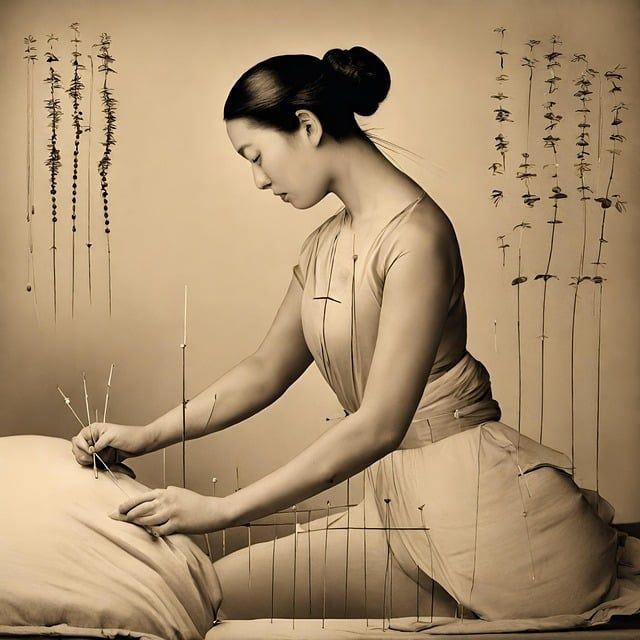
Acupuncture is an ancient therapeutic practice originating from
China during the Neolithic period, when sharpened stones and bones
were used medical treatments.
Over time, these needles were made from gold,
silver, steel or iron.
- Gold needles (Yang) were believed to stimulate energy
- Silver needles (Yin) were thought to calm and relax the body
This reflects the early connections between acupuncture and Chinese philosophical beliefs about energy and balance.
Development Through Chinese Dynasties
.jpg)
Acupuncture developed into a structured medical system during the Jin and Song Dynasties.
-
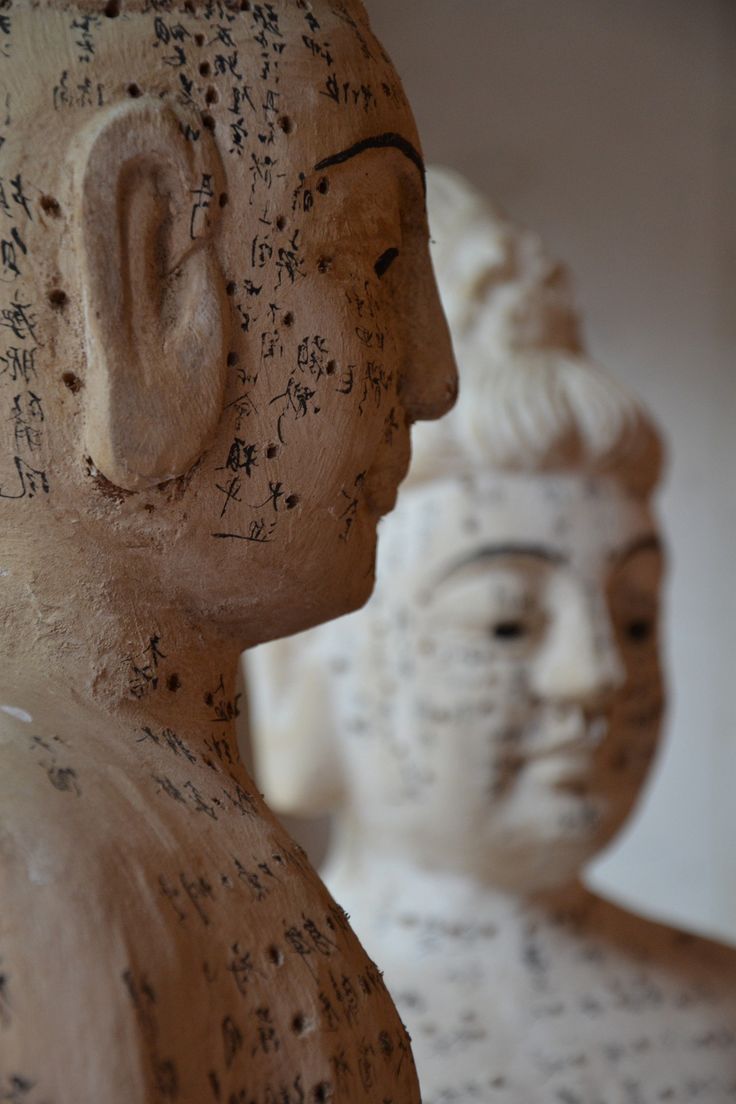
354 acupuncture points were officially recorded.
-
Two bronze acupuncture statues were used for teaching purposes.
-
Meridians and acupoints were mapped across the body
However, in 1929, acupuncture and traditional Chinese medicine were outlawed by Qing Dynasty because they considered superstitious and irrational.
Revival and Global Recognition
.jpg)
Acupuncture regained importance after 1949 when a new communist government reinstated its legitimacy.
-
in 1953, thinner needles made treatment less painful
-
these needles were accepted in Western Hospitals
-
in 2010, acupuncture was recognized by UNESCO.
-
In 2017, China presented acupuncture to the World Health Organization , a bronze statue as a symbol for Chinese medicine.
Theories Behind Acupuncture
The earliest records of acupuncture can be found in The Yellow Emperors Classic of Internal Medicine or The Huangdi Neijing.
Key ideas include:
- Qi (energy): the inner energy of human beings
-
Yin and Yang: Opposing forces that must stay balanced
Blocked or imbalanced Qi can result in illness, acupuncture helps to restore balance in the meridians.