AI Insights
Exploring the World of Artificial Intelligence
History & Evolution of AI
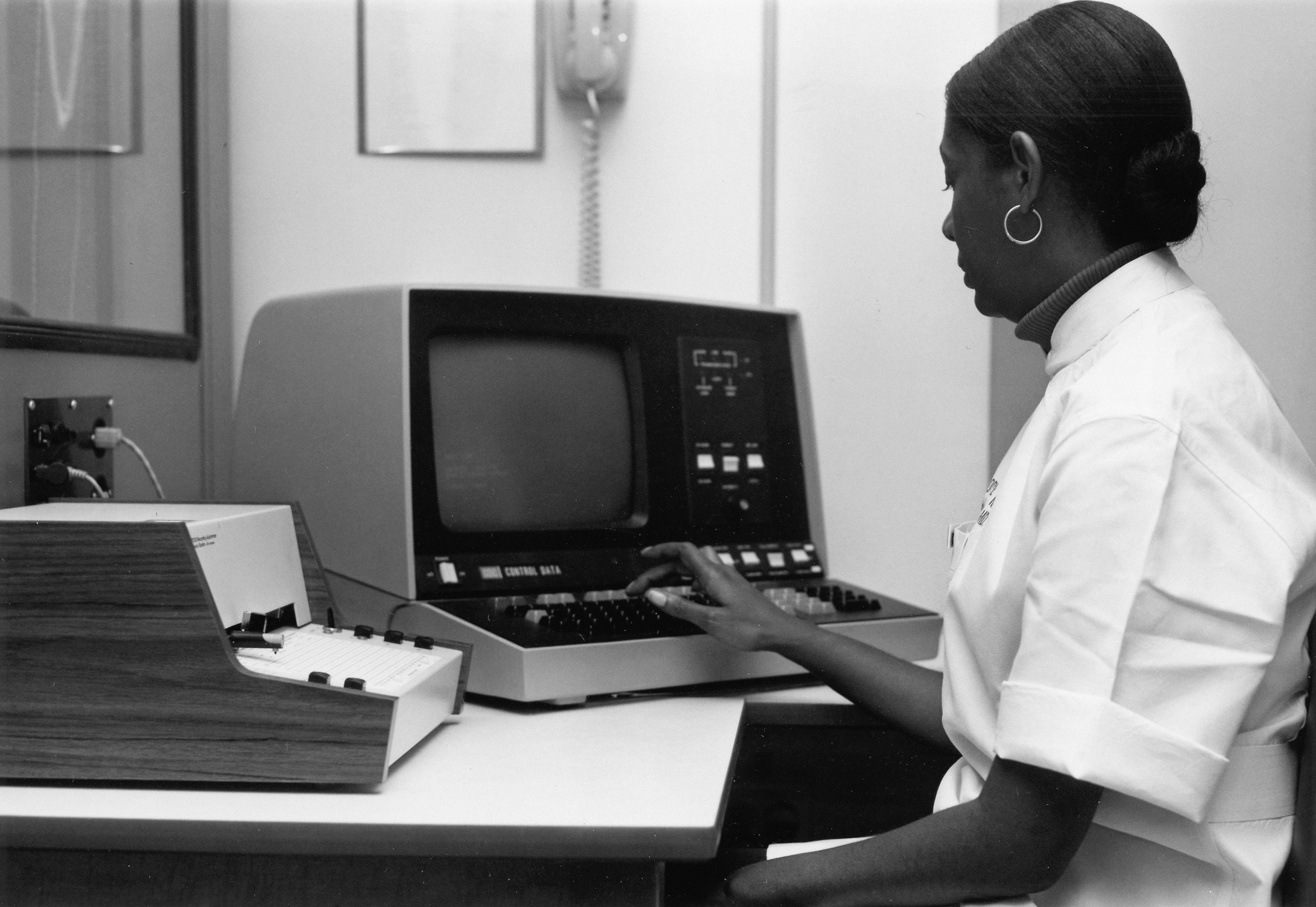
The story of Artificial Intelligence begins in the mid-20th century, born from the dreams of mathematicians and scientists who believed machines could one day think like humans. From Alan Turing's groundbreaking theories to today's advanced neural networks, AI has undergone a remarkable transformation over seven decades.
Jump to:
Key Milestones in AI
- 1950 - Alan Turing publishes "Computing Machinery and Intelligence," introducing the Turing Test
- 1956 - John McCarthy coins the term "Artificial Intelligence" at the Dartmouth Conference
- 1966 - ELIZA, the first Chabot, is created at MIT by Joseph Weizenbaum
- 1997 - IBM's Deep Blue defeats world chess champion Garry Kasparov
- 2011 - IBM Watson wins Jeopardy! against human champions
- 2012 - Deep learning breakthrough by Geoffrey Hinton revolutionizes AI research
- 2016 - Google DeepMind's AlphaGo defeats world Go champion Lee Sedol
- 2022 - ChatGPT launched by OpenAI, reaching 100 million users in just two months
Pioneers of AI
Several visionary scientists laid the foundation for modern AI. Alan Turing proposed the concept of a machine that could simulate human intelligence. John McCarthy not only named the field but also developed LISP, a programming language central to AI research. Marvin Minsky co-founded the MIT AI Laboratory and made major contributions to cognitive science. Geoffrey Hinton, often called the "Godfather of AI," pioneered deep learning techniques that power today's most advanced AI systems.
The AI Winter & Revival
Progress in AI was not always steady. Between the 1970s and 1990s, the field experienced periods known as the "AI Winter," when funding dried up and enthusiasm faded due to unmet expectations. However, the rise of big data, powerful computers, and improved algorithms in the 2000s triggered a dramatic revival, leading to the AI revolution we experience today.
Factors Behind the AI Revival
- Exponential growth in computing power
- Availability of massive datasets for training
- Breakthroughs in neural network and deep learning research
- Increased investment from governments and tech companies
- Open-source AI tools making research accessible worldwide
Understanding AI's past helps us appreciate its present and anticipate its future.
Did You Know?
- AI was born in 1956
- Alan Turing proposed the Turing Test in 1950
- The term AI was coined by John McCarthy
- Deep learning powers most modern AI