Sugary Drinks and Weight Gain
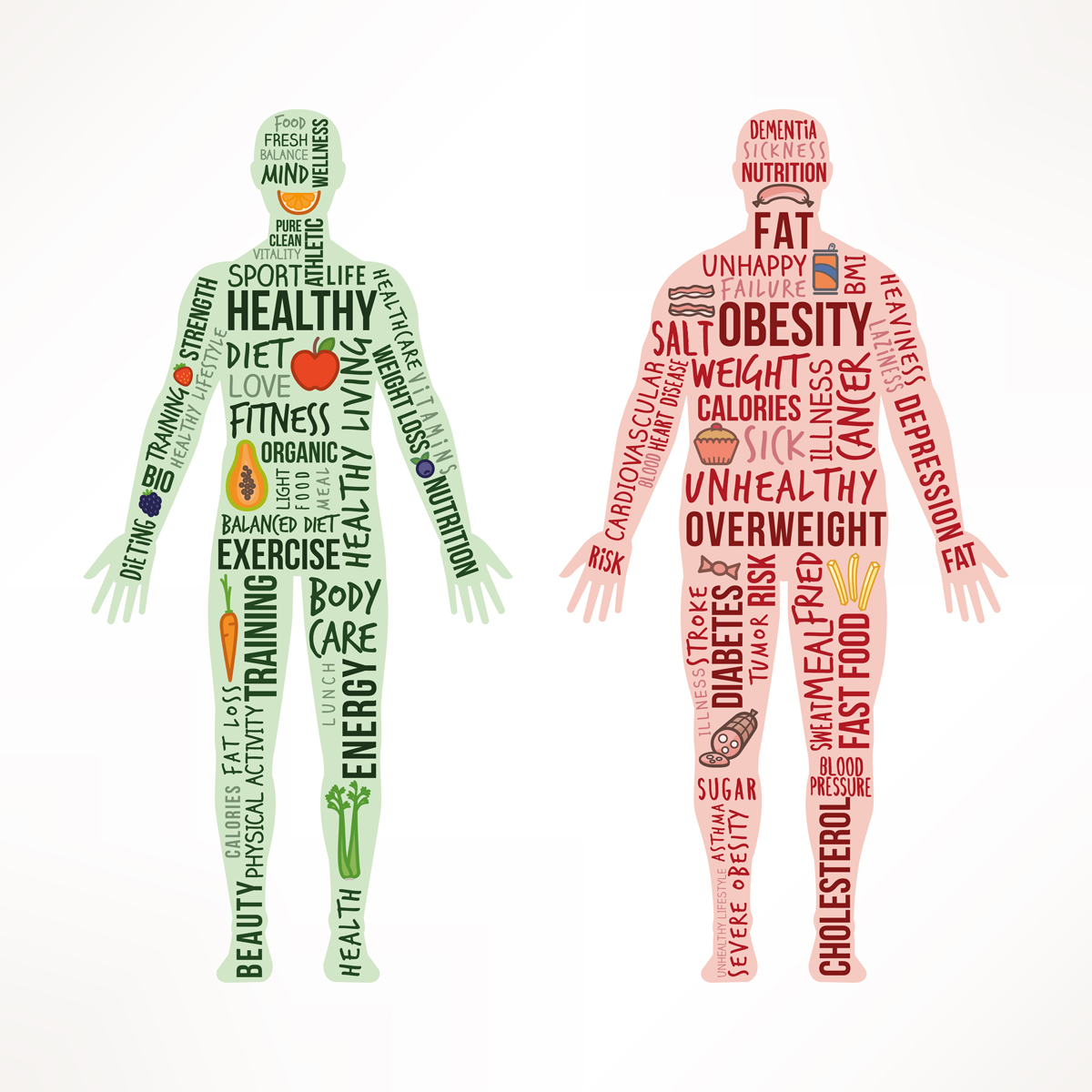
One of the most widely studied dietary factors related to obesity is the consumption of sugar-sweetened beverages. These drinks provide calories quickly but often do not create a strong feeling of fullness, which can lead to excess calorie intake.
Because liquid calories are often added on top of normal food intake instead of replacing it, people may consume more energy overall without noticing it.
Main Dietary Concerns
- Sugar-sweetened beverages
- Low nutrient density foods
- High-calorie convenience foods
Diet Composition and Weight Management
Structured diet plans have also been tested for obesity management. Research shows that both high-protein and high-carbohydrate diets may result in weight loss, but higher-protein diets may produce more favourable body composition and cardiometabolic outcomes in some cases.
Dietary composition can affect health outcomes beyond weight loss alone.
Key Ideas from Dietary Interventions
- Weight loss may occur on different diet structures
- Macronutrient balance matters for body composition
- Long-term sustainability is a major challenge
Even with dietary guidelines in place, many individuals with obesity do not meet recommended nutrient targets. This highlights the difficulty of turning nutrition advice into realistic daily behaviour.
Healthy eating is not only about knowing the guidelines. It is also about access, convenience, and sustainability.
Back to Top