How Meal Patterns Matter
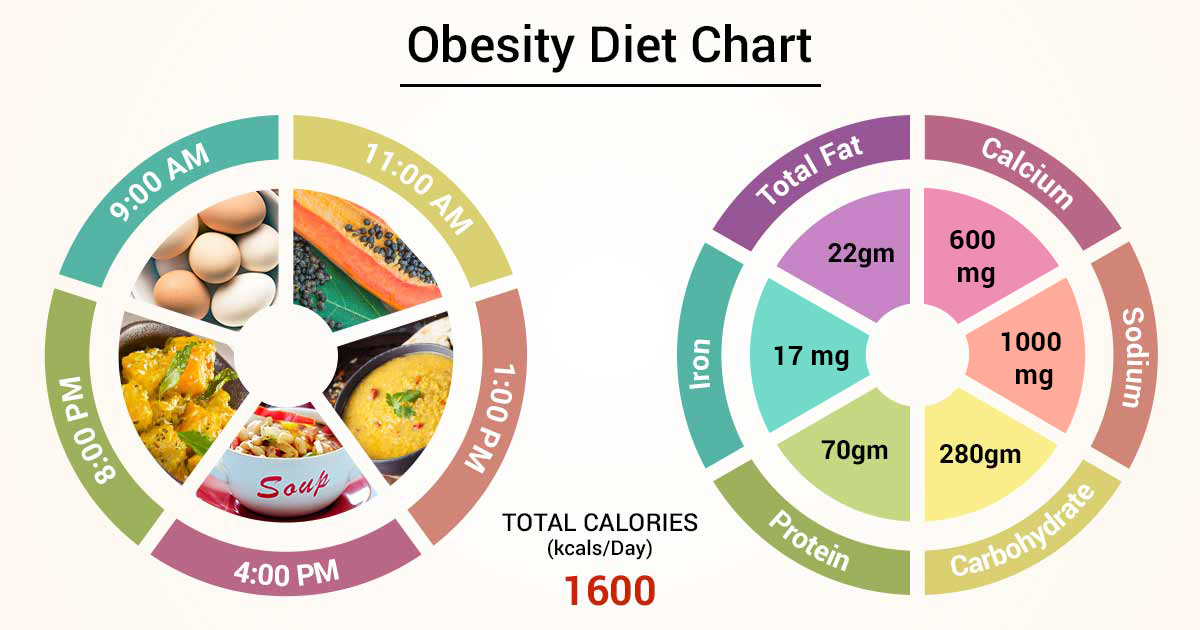
Meal patterns are an important part of dietary behaviour because they involve more than just what people eat. They also include how often people eat, when they eat, and how food intake is distributed throughout the day.
Research on meal patterns suggests that eating habits vary across populations. Some groups follow regular breakfast, lunch, and dinner schedules, while others rely more on irregular eating or frequent snacking. These differences show that culture, routine, and lifestyle all shape eating behaviour.
Irregular eating schedules and increased snacking may increase total calorie intake and reduce dietary quality.
Examples of Meal Pattern Differences
- Traditional three-meal structures
- Frequent snacking between meals
- Irregular meal timing due to school or work schedules
Why Meal Timing Can Affect Health
- It changes when calories are consumed
- It influences hunger and fullness throughout the day
- It may contribute to binge eating or less healthy food choices
Family roles, school schedules, and work demands can all shape whether healthy food choices are realistic or not.
Meal structure is a population-level issue, not just a personal habit.
Back to Top