Predatory Marketing in Fast Food
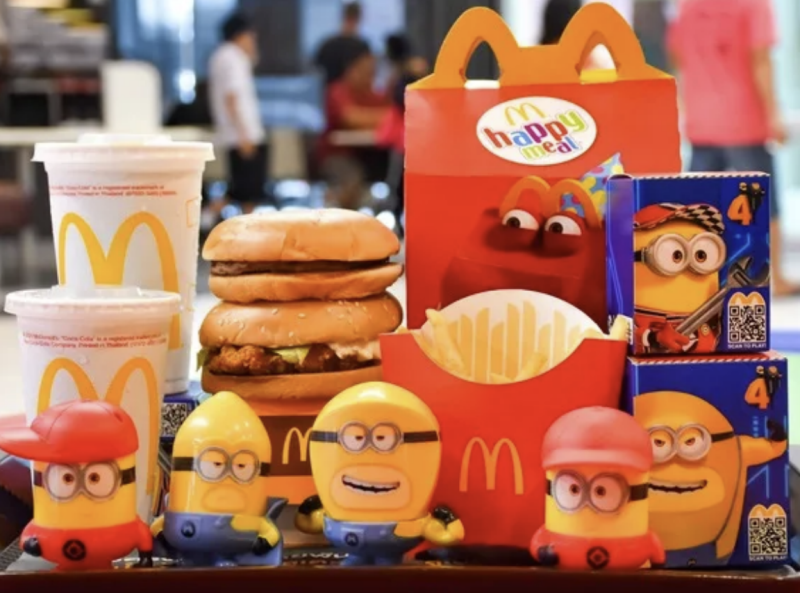
Fast food companies rely heavily on marketing strategies that raise ethical concerns, especially when targeting vulnerable groups like children and teenagers. These age groups are more impressionable and often don’t recognize the true intent behind these messages.
Fun and Convenience, Not Nutrition
Instead of focusing on the nutritional value of their products, fast food ads highlight fun, convenience, and affordability. Bright colors, upbeat music, and playful characters are used to create positive associations with the brand. This makes fast food seem like an everyday meal rather than an occasional treat.
Prioritizing Profit Over Public Health
These marketing tactics prioritize profit over public health. Fast food is presented as exciting, convenient, and socially desirable, while the long-term health risks are often downplayed.
Targeting Children and Digital Influence
Children are especially susceptible to fast food marketing. Companies use toys, cartoons, and kid-focused promotions to build brand loyalty early on. With the rise of digital marketing, these strategies have expanded to platforms like YouTube, Instagram, and TikTok, blending seamlessly into entertainment. This makes it harder for young audiences to recognize these ads as marketing.
Personalized Marketing
The industry also uses mobile data to personalize marketing. By tracking users’ locations, fast food companies can target ads based on proximity to their stores, making the marketing more effective.
Long-Term Impact
These marketing strategies normalize the consumption of fast food and sugary products. They shape eating habits from a young age, making it difficult for children to fully understand the health consequences. Combined with easy access to fast food, this creates unhealthy eating habits and contributes to long-term public health issues.