The Nutritional Impact of Fast Food
Fast food has significant effects on nutrition and health. While designed for taste, affordability, and convenience, it often lacks essential nutrients needed for long-term health. As fast food becomes a regular part of life, its nutritional consequences become more apparent.
-
Nutrient Deficiencies
Fast food is high in calories, saturated fat, sodium, and added sugars but low in fiber, vitamins, and minerals. These meals are engineered to be appealing, not nutritious. -
Processed Foods
Ultra-processed ingredients dominate fast food menus, which contribute to poor diet quality when they replace home-cooked meals or traditional dishes. -
Health Issues
Increased fast food consumption is linked to rising rates of obesity-related diseases, including heart disease, diabetes, and high blood pressure. -
Portion Sizes
Fast food portions are often larger than home-cooked meals, leading to overeating and contributing to weight gain and health risks. -
Food Access & Inequality
In low-income areas, fast food outlets outnumber grocery stores with fresh produce, leading to poor food choices due to lack of access to healthier options.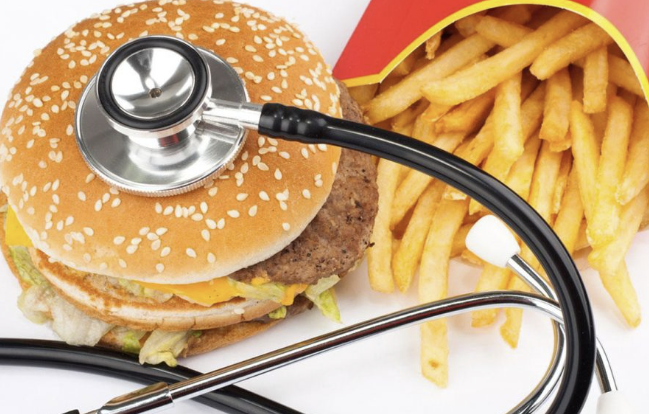
Fast food's growing popularity, combined with limited access to healthier food and larger portion sizes, is contributing to rising health problems globally, especially in underserved communities.