Childhood Experiences
So, we know that social media exposure can be a big factor for body dissatisfaction, especially from a younger age, but it’s not fair to let it take all of the blame. “A 2019 study found that comments from mothers regarding weight, eating, and shape, to their 7 and 8-year-old children can contribute to disordered eating…Researchers found that…young females may reflect what their mothers think onto themselves.” (B Juby, C Bahou, para. 18, 2024). This quote proves that body image issues can also stem from many other contributing factors other than social media that begin from our childhood into adulthood, these can include trauma, and bullying.
Trauma
Trauma can be experienced in many ways usually resulting from something that happened in a person’s early years. The sad truth is, in most cases this is done to children by family members, often ones who are abusing substance, alcohol, or have experienced trauma themselves. Many children who experience such things can develop Complex Post Traumatic Stress Disorder (CPTSD). These carry into adulthood and make it challenging as they struggle with feelings of difficulty regulating and understanding their emotions and low self-esteem.
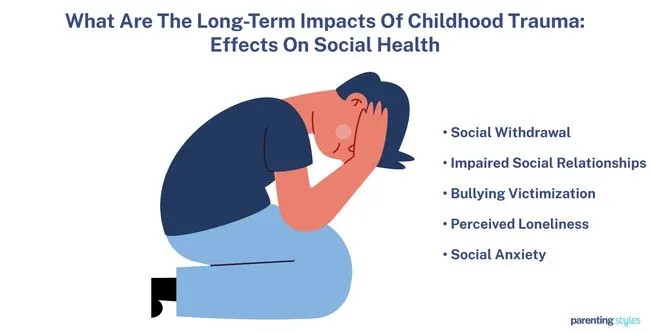
Types of Traumatic Abuse
Physical
Children who experience physical abuse may begin to feel feelings of worthlessness and vulnerability. They may also feel undesirable as their abuse is a very traumatic event both physically and mentally, especially if from a young age.
Sexual
To mentally escape the abuse, victims may begin to disconnect and disassociate from their bodies. This can lead to negative feelings towards themselves and their bodies, feelings of shame, guilt, lack of respect for their body, used, dirty or contaminated. (R. Therapy, para. 6, 2026).
Emotional
This is psychological harm resulting from constant neglect and negative criticism, demeaning and hurtful words or actions, and humiliation by their caregivers. Additionally, this can result from gaslighting and manipulation, threatening and trying to scare someone through non-physical means which can lead to deep psychological wounds.
Bullying
Children often tend to have no filter; they will say what they feel without truly understanding the how that might make someone else feel. Bullying can be broken down into three main types. (E. Program, para. 5, 2021).
| Bullying | |
| Types Of Bullying | Definition |
| Verbal Bullying |
|
| Physical Bullying |
|
| Social Bullying |
|
Speaking from experience, when I was younger there fun of me because she could see the hair on my arms and from that day on I became really insecure about that fact. I associated a natural body feature as ugly, and I thought that I would have to change if I didn’t want to be made fun of. As I’ve matured and gotten older, I don’t let little things and the opinions of other bother me but as an impressionable kid who wanted to be accepted, this experience stayed with me.