Understanding Deforestation
Deforestation is the massive destruction of forest cover that is majorly caused by human activity, including agricultural expansion, logging, development of infrastructure and urbanization. Forests are vital in ensuring an environment has a balanced ecology through upholding biodiversity, controlling climate, and storing carbon.
— Food and Agriculture Organization (FAO, 2020)
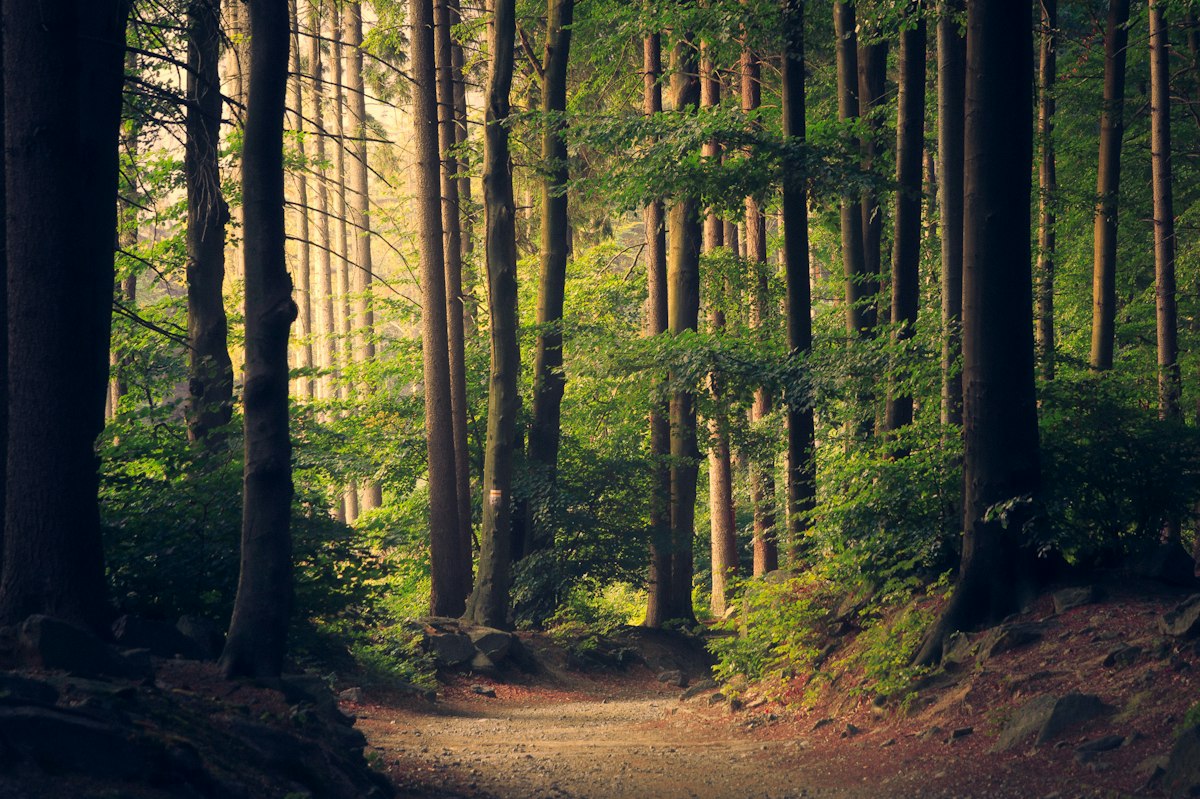
Global Forest Loss Statistics
The Food and Agriculture Organization (FAO, 2020) estimates that the world has lost 420 million hectares of forest cover since 1990-2020, which confirms the importance of deforestation as a critical environmental issue. Satellite data confirms rapid deforestation, especially in tropical areas.
Why Forests Matter
- More than 80% of terrestrial species live in forest ecosystems
- Forests act as carbon sinks, absorbing carbon dioxide
- Over 1.6 billion people depend on forests for livelihoods
- Forests regulate water cycles and prevent soil erosion
Did You Know?
Almost 90 percent of deforestation worldwide is attributed to agricultural expansion. The Amazon rainforest has lost approximately 17% of its forest cover in the last 50 years.
View Full References | FAO Forest Assessment (External)
Back to Top