We Can Fix This Together
The good news is that we already have solutions to stop
climate change. We need to act quickly and work together - governments,
companies, and individuals all have a role.
Energy is at the heart of the climate challenge – and key to the solution.
Most of the greenhouse gases that trap heat in the Earth's atmosphere come from burning fossil fuels to produce energy, mainly for electricity and heat. In 2023, the power sector was the largest source of global greenhouse gas emissions.
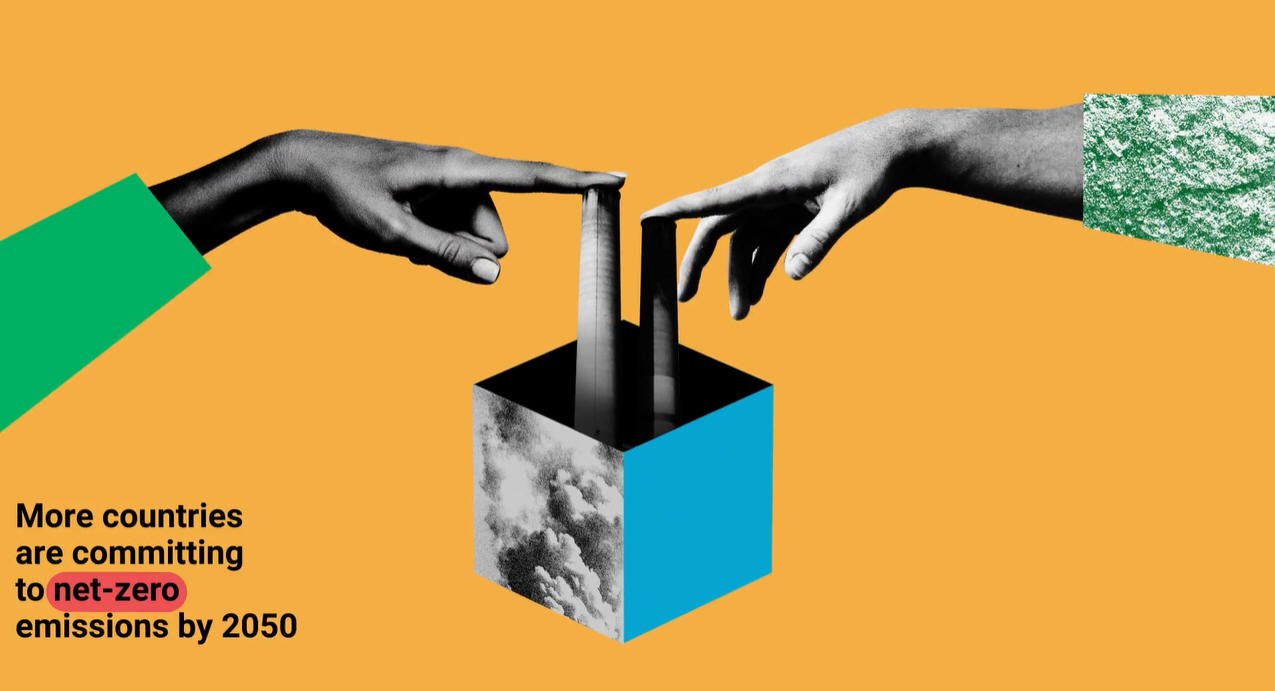
The science is clear: to avoid the worst impacts of climate change, emissions must be reduced by almost half by 2030, and reach net-zero by 2050.
To achieve this, we need to end our reliance on fossil fuels and invest in alternative sources of energy that are clean, accessible, affordable, sustainable, and reliable.
Renewable energy sources — such as sunlight, wind, water, organic waste, and heat from the Earth — are abundant, replenished by nature, and emit little to no greenhouse gases or air pollutants.
Fossil fuels still account for nearly 60 per cent of electricity generation, but cleaner sources of energy are gaining ground. Between 2015 and 2024, annual electricity capacity of renewables increased by around 2,600 gigawatts (GW) - a 140 per cent increase. In the same period, fossil fuels electricity capacity only increased by around 640 GW (16 per cent).
Here are five reasons why accelerating the transition to clean energy is the pathway to a healthy, livable planet today and for generations to come.
|
Clean Energy Sources |
||
|
Energy Source |
CO2 Emitted |
Cost Trend |
|
Solar power |
0 g/kWh |
↓ 90% since 2010 |
|
Wind power |
0 g/kWh |
↓ 70% since 2010 |
|
Hydropower |
0 g/kWh |
Stable |
|
Coal power |
820 g/kWh |
Becoming more expensive |
|
Natural gas |
490 g/kWh |
Variable |
Take action:
United Nations ActNow Campaign
Email climate action:
climatesolutions@example.com