Screen Time and Sleep Disruption
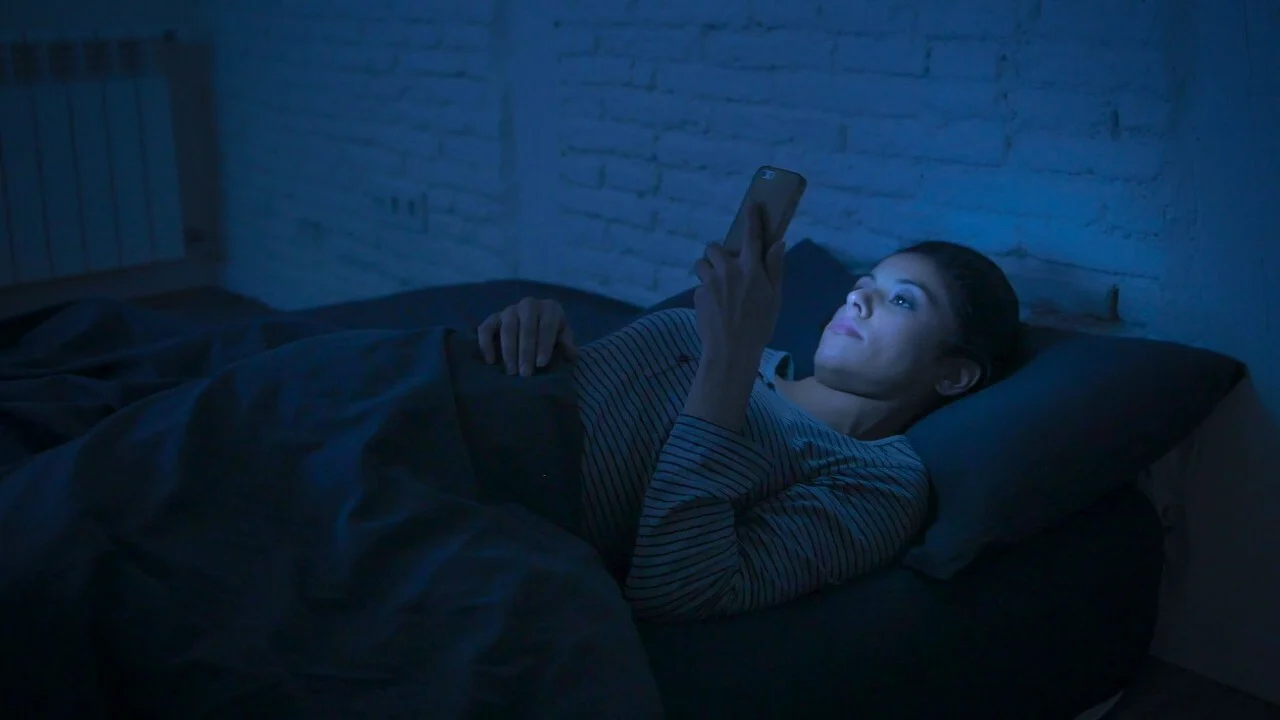
Technology does not only affect our mental and physical health; it also impacts us in more subtle ways by interfering with our sleep. Sleep has important functions in the brain, including memory consolidation, emotion regulation, rapid learning, maintenance of wakefulness, and control of stress. However, technology interferes with our sleep by keeping us in a state of alertness well into the night (Silva et al., 2026).
Teenagers who use screens before bedtime get less sleep and poorer quality sleep. This is because screens emit blue light which delays our body’s production of the hormone melatonin. Melatonin is released into our bodies at night to ensure we fall asleep at the correct time (Silva et al., 2026).
How Technology Disrupts Sleep Behaviour
While the impact of technology on sleep is well known, it is also important to consider the ways in which technology can affect sleep behaviour. Many young people stay up late because they are busy interacting with their phone and computer screens. Activities such as social media, gaming, streaming media, and messaging with friends and family are cognitively demanding and can keep the brain active at night, preventing adequate sleep (Mireku et al., 2019).
Ways technology disrupts sleep patterns:
- Blue light emission suppresses melatonin production
- Cognitively stimulating content keeps the brain in an alert state
- Notifications, texts, and updates wake people during the night
- The “always on” nature of technology encourages late bedtimes
The Cascade of Sleep Deprivation
The following ordered list shows how screen-related sleep deprivation cascades into broader health effects:
- Blue Light Exposure: Smartphone and tablet screens emit blue light that delays melatonin release and shifts the body’s natural sleep cycle.
- Late Bedtimes: Engaging with social media, gaming, and messaging pushes sleep onset later into the night.
- Reduced Sleep Duration: Adolescents who check their phones before sleep and during the night report significantly shorter sleep (Naing et al., 2024; Mireku et al., 2019).
- Emotional Dysregulation: Sleep-deprived individuals have less ability to regulate emotions, becoming more short-tempered and sensitive to stress.
- Mental Health Decline: Chronic sleep disturbance leads to increased anxiety, depression, reduced concentration, and impaired academic achievement (Naing et al., 2024).
Night-Time Screen Use and Daytime Effects
| Factor | Problematic Habit | Recommended Practice |
|---|---|---|
| Before Bed | Using phone or tablet in bed until falling asleep | No screens for at least one hour before bedtime |
| During Night | Checking phone for notifications when waking up | Keep devices outside the bedroom or on silent mode |
| Morning After | Daytime fatigue, difficulty concentrating in school | Consistent wake time with 8–10 hours of sleep |
Sleep problems associated with long hours of “screen time” have been identified as a major pathway through which technology could be affecting the mental health of young people.