Social Media and Anxiety/Depression
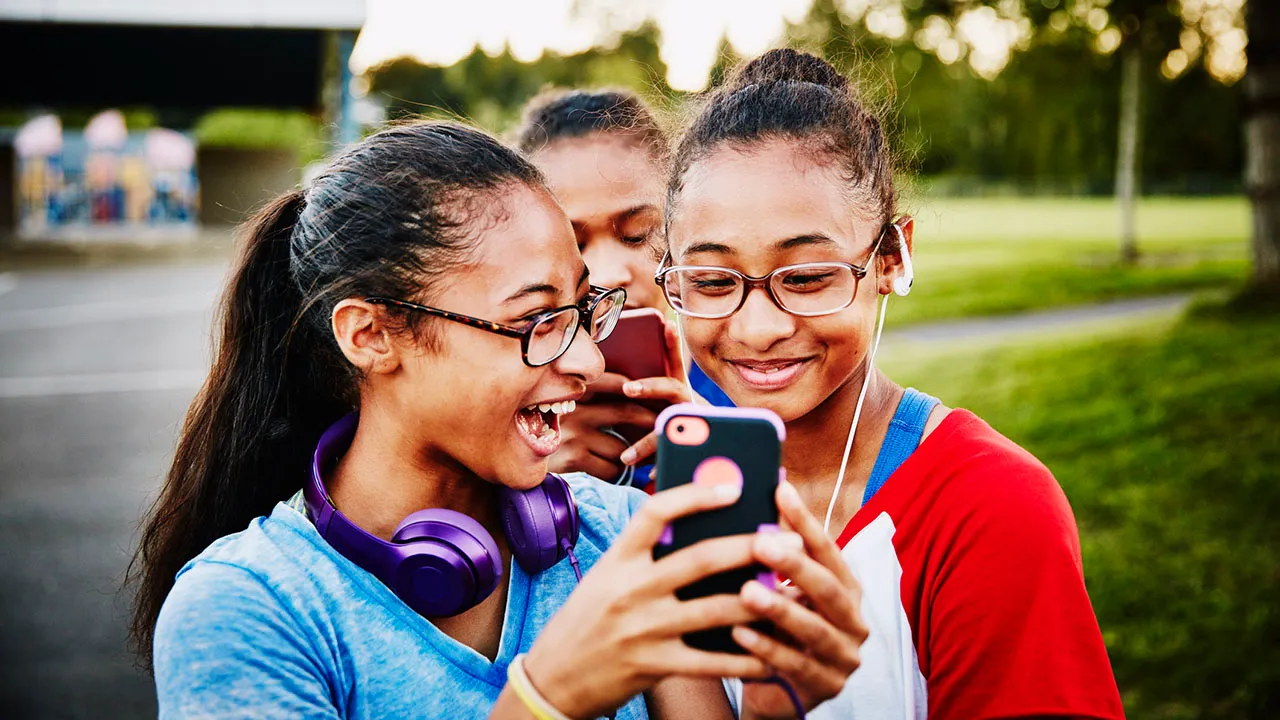
Social media is increasingly being used by young people to promote their skills and share their interests with a wider audience on platforms including Instagram, TikTok, Snapchat, and X. While there are many positive aspects of social media use, there are also some problematic social media uses which have been linked to negative effects on mental health.
In addition to the publicness of the Internet, the social comparison to “image performances” that individuals experience through social media may also have a damaging impact on mental health. Through social media, individuals can frequently observe the idealized lifestyles of their peers, and when they compare themselves to these “best” aspects of others’ lives, can develop lower self-esteem, body dissatisfaction, depression, and feelings of inadequacy (Popat & Tarrant, 2023).
Drivers of Problematic Social Media Use
| Impact of Social Media on Adolescent Mental Health | |
|---|---|
| Behaviour / Phenomenon | Mental Health Impact |
| Social comparison to idealized images | Lower self-esteem, body dissatisfaction, depression |
| Validation-seeking (likes, comments, followers) | Anxiety when expected reactions are not received |
| Feelings of rejection and worthlessness | |
| Fear of Missing Out (FOMO) | Sleep loss, compulsive checking, increased anxiety |
| Cyberbullying and harmful content exposure | Exacerbated stress, self-harm ideation, harassment |
Fear of Missing Out (FOMO)
For many adolescents, anxiety can be triggered by the fear of missing out (FOMO). Many students notice that their classmates regularly post about their activities, accomplishments, and other experiences on social media. This pressure to constantly stay in touch with peers—and to be awake at all hours—can cause students to lose sleep in order not to miss out (Liu et al., 2026).
Additional risks associated with social media include:
- Exposure to cyberbullying and online harassment
- Content that promotes body-shaming, self-harm, and unrealistic standards
- Compulsive and dependent emotional use of platforms
- Decreased face-to-face social skills
Positive vs. Problematic Use
Although there is growing evidence that not all social media use is harmful, it is important to distinguish between types of use:
- Positive Use: Moderate, intentional, socially supportive use can bring benefits such as connection and access to helpful resources.
- Problematic Use: Compulsive or emotionally dependent use is more strongly associated with negative mental health outcomes.
The key factor is not whether adolescents use social media, but how they use it (Boer et al., 2021; Liu et al., 2026).