Technology Addiction and Digital Dependency
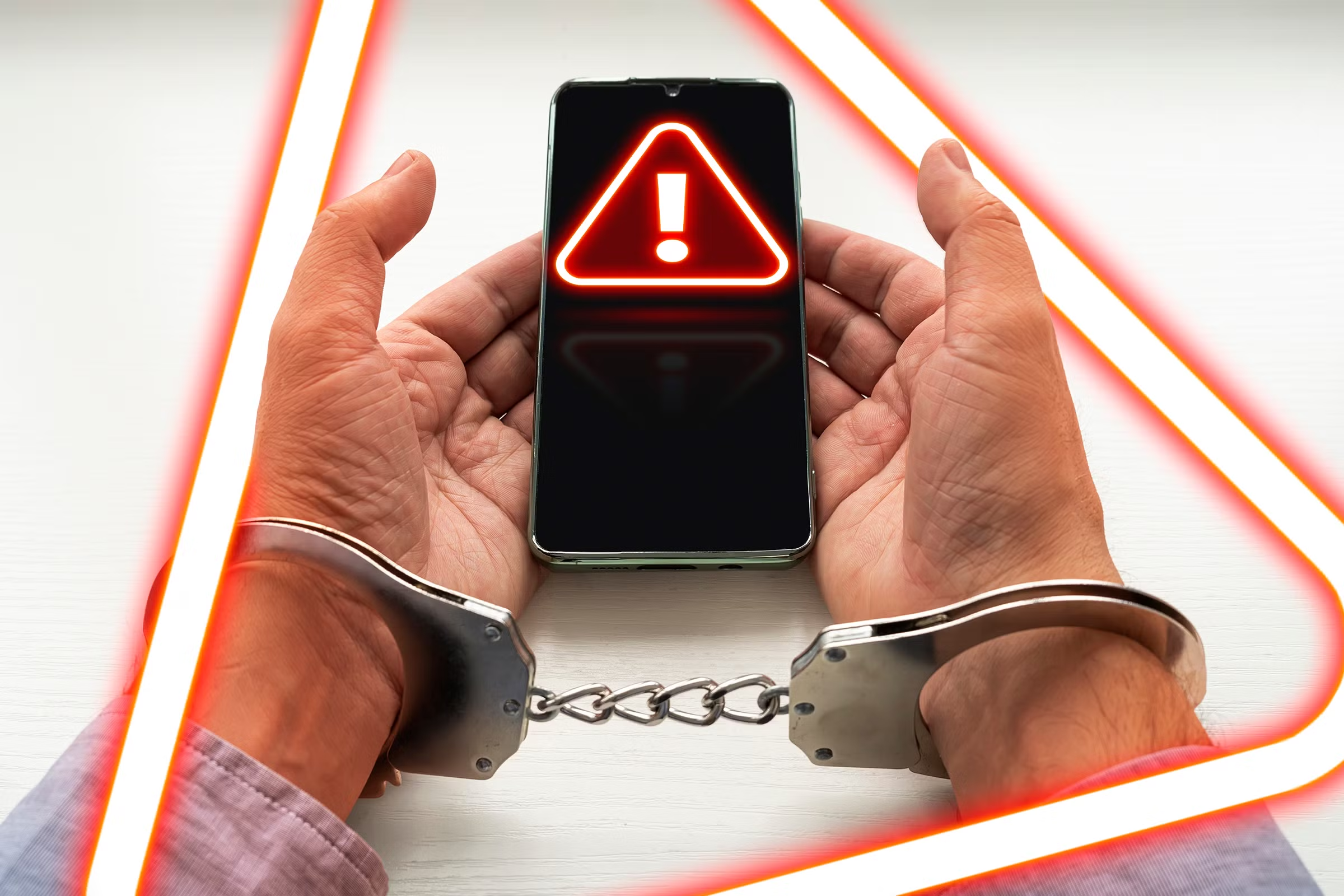
Technology addiction is a developing health issue that affects individuals who excessively engage in the use of technology while experiencing negative impacts in their life. Technology addiction includes addiction to smartphones, the internet, social media, and video games (Okur et al., 2025).
Digital dependency activates the brain’s reward system in much the same way as other addictions!
Signs of Technology Addiction
Addictions, whether to substances or behaviours, all exhibit similar patterns of use. Digital dependency can have similarly detrimental effects in a user’s life as other forms of addiction (Priya & Subramaniyam, 2022). The key indicators include:
- Loss of Control: Inability to limit time spent on devices
- Withdrawal Symptoms: Physical and/or psychological distress when unable to use technology
- Compulsive Use: Continued use despite knowing the negative effects
- Increasing Tolerance: Needing more screen time for the same level of satisfaction
- Life Disruption: Negative impact on academics, relationships, and daily responsibilities
The Feedback Loop of Technology and Mental Health
Technology dependence appears to feed on and worsen already distressed individuals. This aspect of poor mental health and technology use defines a particular pattern of behaviour that is especially difficult to break due to its complex feedback loop structure (Okur et al., 2025).
The following ordered list illustrates how the feedback loop operates:
- Initial Distress: Adolescent experiences stress, loneliness, or sadness in daily life.
- Digital Coping: Technology is used as a maladaptive coping strategy instead of addressing the underlying issue.
- Temporary Relief: Short-term distraction provides momentary emotional escape.
- Worsening Health: Overuse leads to sleep loss, isolation, and reduced real-world engagement.
- Increased Dependency: Greater distress drives the individual back to technology, reinforcing the cycle.
Consequences and Prevention Strategies
| Technology Addiction: Effects and Solutions | |
|---|---|
| Negative Consequences | Prevention & Intervention Strategies |
| Diminished academic achievement | Schools provide digital wellness education |
| Impaired face-to-face communication skills | Encourage offline hobbies, exercise, and social time |
| Physical inactivity and fatigue | Parents model healthy technology use and set limits |
| Deteriorating family relationships | Create device-free zones and times at home |
| Severe psychological disorders (OCD, panic disorder) | Teach critical thinking about online content |
| Mindfulness practice and emotional resilience training | |
Technology itself is not “harmful”—it is how technology is used that determines its impact. Healthy boundaries, digital literacy, and early intervention are the keys to ensuring technology remains a positive force in the lives of young people (Boer et al., 2021; Silva et al., 2026).