Introduction
What Is Anxiety?
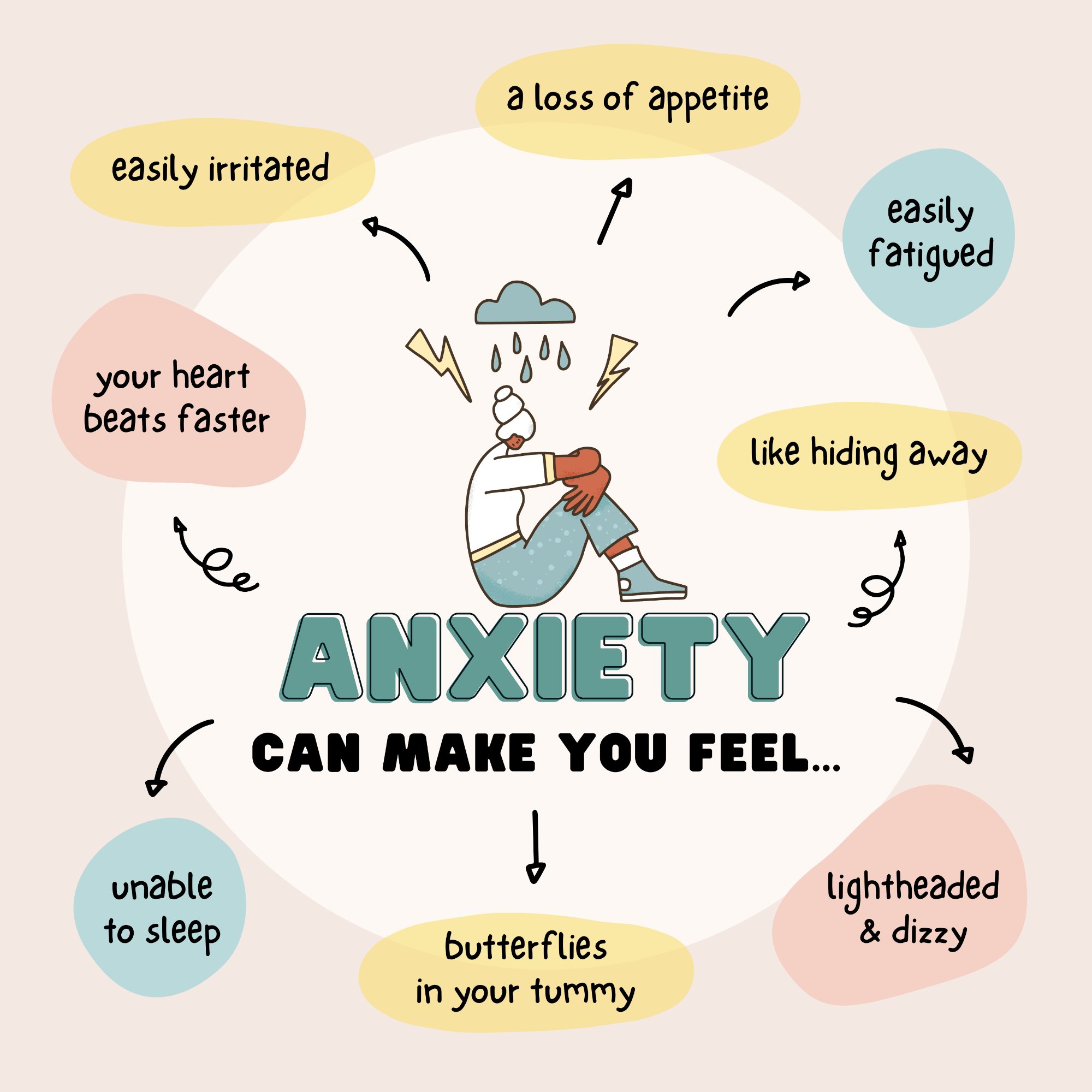
Anxiety is a psychological state characterized by feelings of fear or dread in response to perceived threats or stressful situations. While it is a natural and normal reaction to danger, excessive intensity or prolonged duration of these feelings may indicate the presence of an anxiety disorder.
At some point in our lives, most individuals experience some form of anxiety. This may stem from rational concerns — such as fear of poor academic performance — or from worries related to financial and health-related matters. Anxiety is a natural human response to uncertainty and life stressors.
"Anxiety is a universal phenomenon experienced by all human beings at one time or another during the course of their lives." — DiTomasso, 2006
When Does Anxiety Become a Problem?
Anxiety becomes problematic when it involves:
- An excessive preoccupation with irrational fears
- Feelings that interfere with physical and emotional well-being
- Avoidance of everyday situations or responsibilities
- Persistent worry that lasts more than 6 months
A person's perception of an event or situation viewed as a threat could be enough to provoke an anxiety response — even if the threat is not real.
(Canadian Psychological Association, 2021)
The Four Main Types of Anxiety Disorders
Among the many anxiety-related conditions, the most common are:
- Generalized Anxiety Disorder (GAD) — persistent, uncontrollable worry
- Obsessive-Compulsive Disorder (OCD) — intrusive thoughts and repetitive behaviors
- Posttraumatic Stress Disorder (PTSD) — triggered by traumatic life events
- Social Anxiety Disorder (SAD) — intense fear of social situations and judgment