Causes of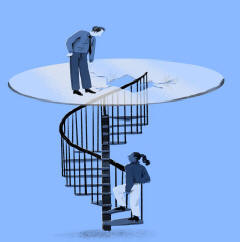 Glass Ceiling
The glass ceiling is maintained through a complex interaction of organizational, social, and psychological factors. These barriers are often not obvious, which makes them more difficult to recognize and address. They are reinforced through everyday workplace practices and long-standing beliefs about leadership and success.
Unconscious Bias
Unconscious bias is one of the major causes of the glass ceiling. Even when organizations promote equality, hidden stereotypes can still influence hiring decisions, performance evaluations, and promotions. Leadership qualities are often associated with traditionally masculine traits, which can result in women and minority candidates being evaluated less favorably.
These biases are not always intentional, but they still have a strong impact on decision-making. Over time, they create unequal opportunities and limit access to leadership roles for underrepresented groups.
Organizational Structures
Many organizations unintentionally reinforce the glass ceiling through their internal structures. Promotion systems are often based on informal networks, subjective performance reviews, and sponsorship opportunities that tend to benefit certain groups more than others.
As employees move to higher levels within an organization, the criteria for advancement often become less clear and more dependent on personal connections. In addition, limited access to mentorship and career development opportunities can slow down the progress of underrepresented employees. While some individuals receive career-enhancing opportunities, others may only receive general guidance that does not lead to advancement.
Work–family expectations
 Work–family expectations also contribute to the glass ceiling. Women
are often viewed as more likely to experience career interruptions due
to family responsibilities, which can affect how their commitment to
work is perceived.
Work–family expectations also contribute to the glass ceiling. Women
are often viewed as more likely to experience career interruptions due
to family responsibilities, which can affect how their commitment to
work is perceived.
Workplace cultures that prioritize long hours and constant availability can further disadvantage employees with caregiving roles. This creates additional barriers for those trying to balance both professional and personal responsibilities.
Intersectional Discrimination
The glass ceiling can be even more challenging for women who belong to multiple marginalized groups. Women of color, immigrant women, and individuals with disabilities often face overlapping forms of discrimination.
These combined barriers make it more difficult for them to access senior positions and leadership opportunities, further limiting representation at higher levels within organizations.
Causes at a glance
- Hidden stereotypes can shape decisions about leadership ability.
- Informal networks and unclear promotion systems can block advancement.
- Caregiving expectations can affect how commitment is judged.
- Overlapping forms of discrimination can intensify these barriers.