Support in schools, families, and workplaces
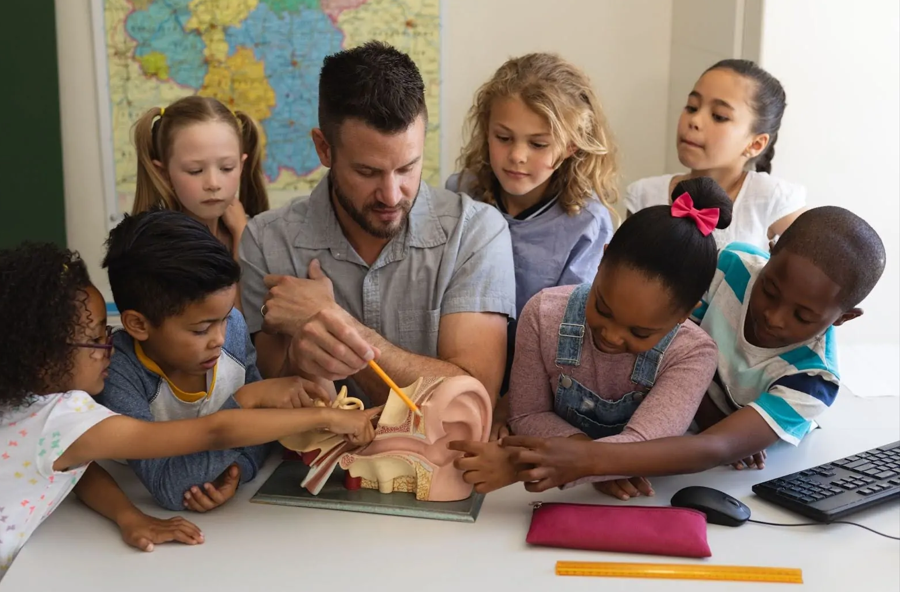 Support
is also important outside of clinical settings, especially in schools
and workplaces, where accommodations such as predictable schedules,
reduced sensory overload, extra processing time, and clear written
instructions can reduce stress and improve participation. Family and
caregiver support plays a major role as well, since caregivers often
coordinate services and advocate for individuals in educational and
community settings. Support into adulthood should focus on inclusion,
independence, and community participation, including employment
opportunities.
Support
is also important outside of clinical settings, especially in schools
and workplaces, where accommodations such as predictable schedules,
reduced sensory overload, extra processing time, and clear written
instructions can reduce stress and improve participation. Family and
caregiver support plays a major role as well, since caregivers often
coordinate services and advocate for individuals in educational and
community settings. Support into adulthood should focus on inclusion,
independence, and community participation, including employment
opportunities.
Government support for affordable early education and intervention
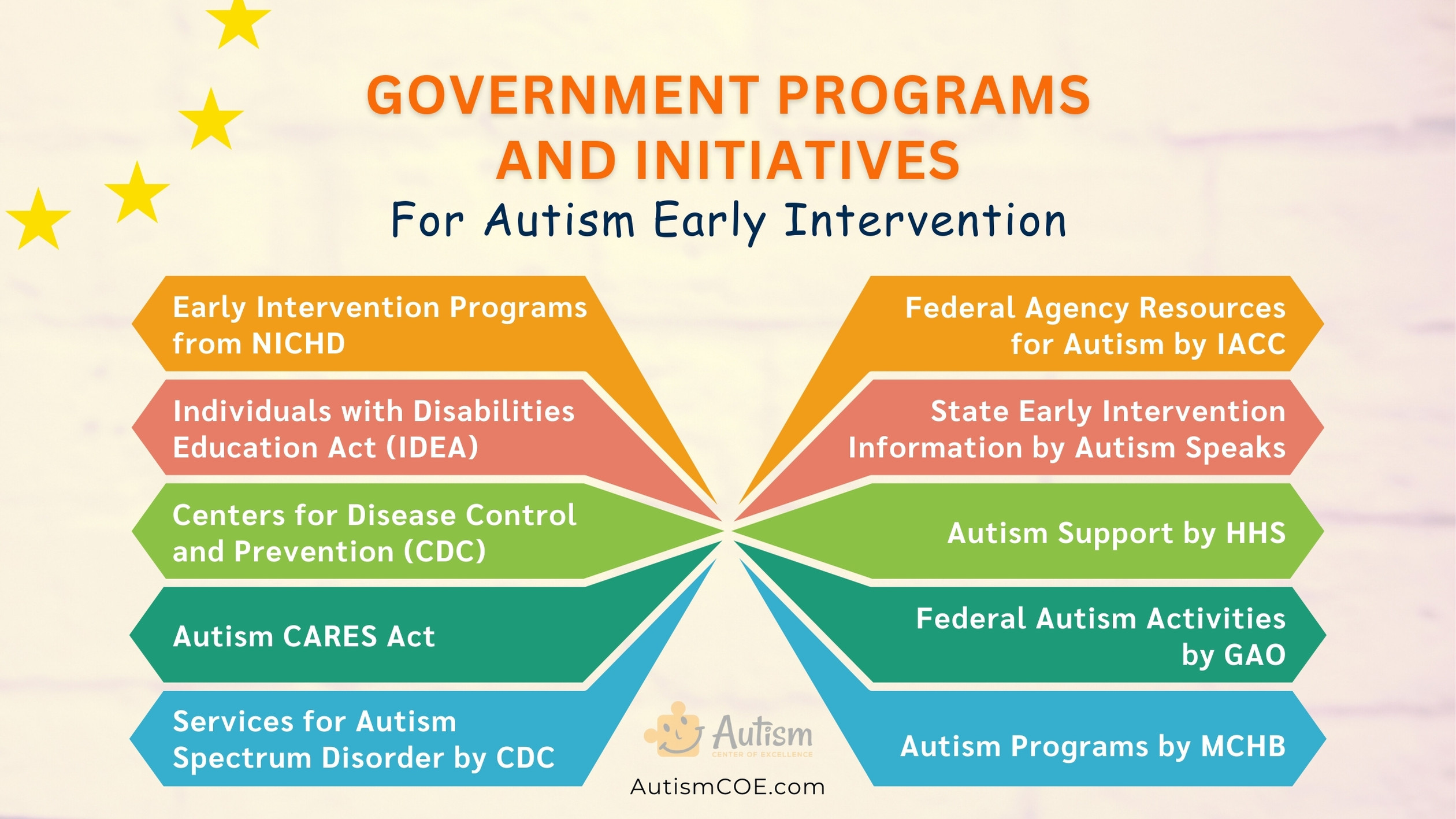 Since
access to services is often shaped by cost, transportation, and
availability, an equity-focused recommendation is that governments and
institutions should expand affordable early education and intervention
pathways, especially for lower-income families who may otherwise be
excluded from timely support. Together, these recommendations and the
community-based success story support a consistent message: effective
autism support is strongest when it combines early skill-building,
accessible services, responsive environments, and respectful social
values that create genuine opportunities for participation.
Since
access to services is often shaped by cost, transportation, and
availability, an equity-focused recommendation is that governments and
institutions should expand affordable early education and intervention
pathways, especially for lower-income families who may otherwise be
excluded from timely support. Together, these recommendations and the
community-based success story support a consistent message: effective
autism support is strongest when it combines early skill-building,
accessible services, responsive environments, and respectful social
values that create genuine opportunities for participation.