Early intervention and individualized treatment
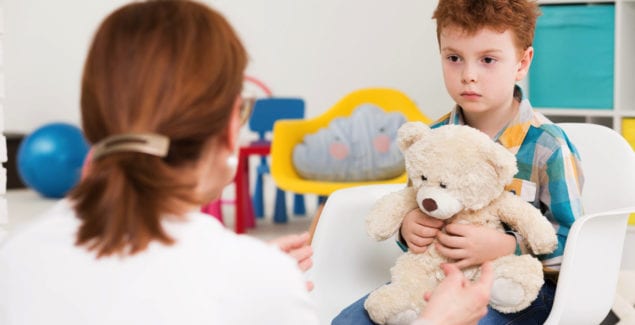 A
common starting point is early identification and early intervention,
since building communication, learning, and daily-living skills at a
young age can improve functioning over time. Support often focuses on
practical goals, such as improving language and social communication,
increasing independence, and reducing barriers to learning and
participation. Since autism affects people in different ways, treatment
and support should focus on the specific needs of each individual rather
than using one approach for everyone.
A
common starting point is early identification and early intervention,
since building communication, learning, and daily-living skills at a
young age can improve functioning over time. Support often focuses on
practical goals, such as improving language and social communication,
increasing independence, and reducing barriers to learning and
participation. Since autism affects people in different ways, treatment
and support should focus on the specific needs of each individual rather
than using one approach for everyone.
Behavioural, educational, and medical support
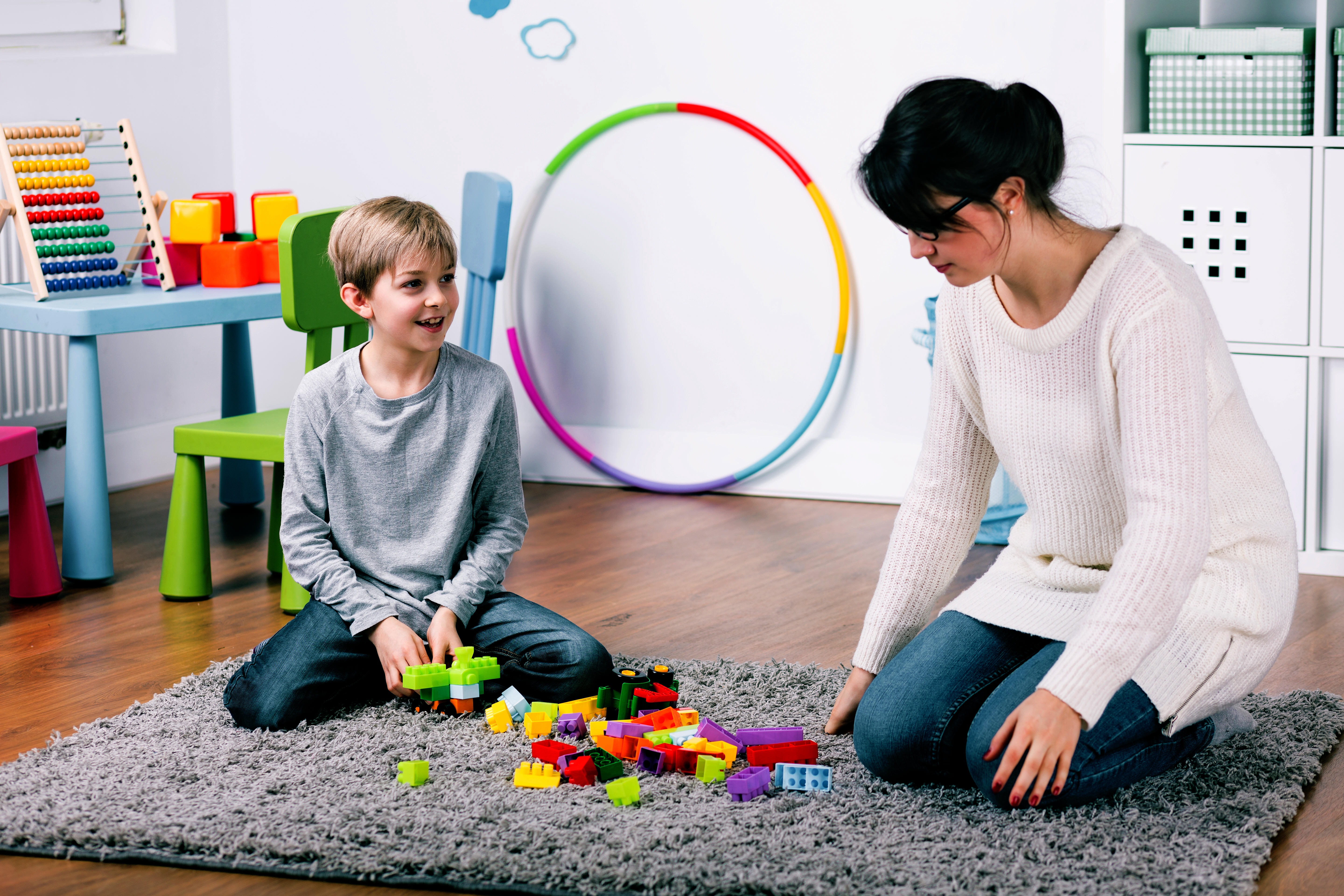 Many
individuals benefit from structured educational and behavioural
supports, including consistent routines, clear instructions, and
step-by-step teaching that focuses on real-life skills, while still
allowing flexibility for sensory needs and transitions. Communication
support may include speech-language therapy and alternative
communication methods when needed, as well as social-skills coaching to
help individuals better understand social cues and everyday
interactions. Some individuals may also need medical or mental-health
support for challenges such as anxiety, sleep problems, irritability, or
attention difficulties.
Go to Recommendations page
Many
individuals benefit from structured educational and behavioural
supports, including consistent routines, clear instructions, and
step-by-step teaching that focuses on real-life skills, while still
allowing flexibility for sensory needs and transitions. Communication
support may include speech-language therapy and alternative
communication methods when needed, as well as social-skills coaching to
help individuals better understand social cues and everyday
interactions. Some individuals may also need medical or mental-health
support for challenges such as anxiety, sleep problems, irritability, or
attention difficulties.
Go to Recommendations page
| Type of support | Examples from the research |
|---|---|
| Early intervention | Building communication. |
| Learning, and daily-living skills at a young age can improve functioning over time. | |
| Educational and behavioural supports | Consistent routines and clear instructions. |
| Step-by-step teaching that focuses on real-life skills. | |
| Communication support | Speech-language therapy. |
| Alternative communication methods, and social-skills coaching. | |
| Medical or mental-health support | Support for challenges such as anxiety, sleep problems, irritability, or attention difficulties. |
| School and workplace support | Predictable schedules. |
| Reduced sensory overload. | |
| Extra processing time, and clear written instructions. | |
| Family and caregiver support | Caregivers often coordinate services and advocate for individuals in educational and community settings. |
| Table 1 | |