Nutrition/Mitigation
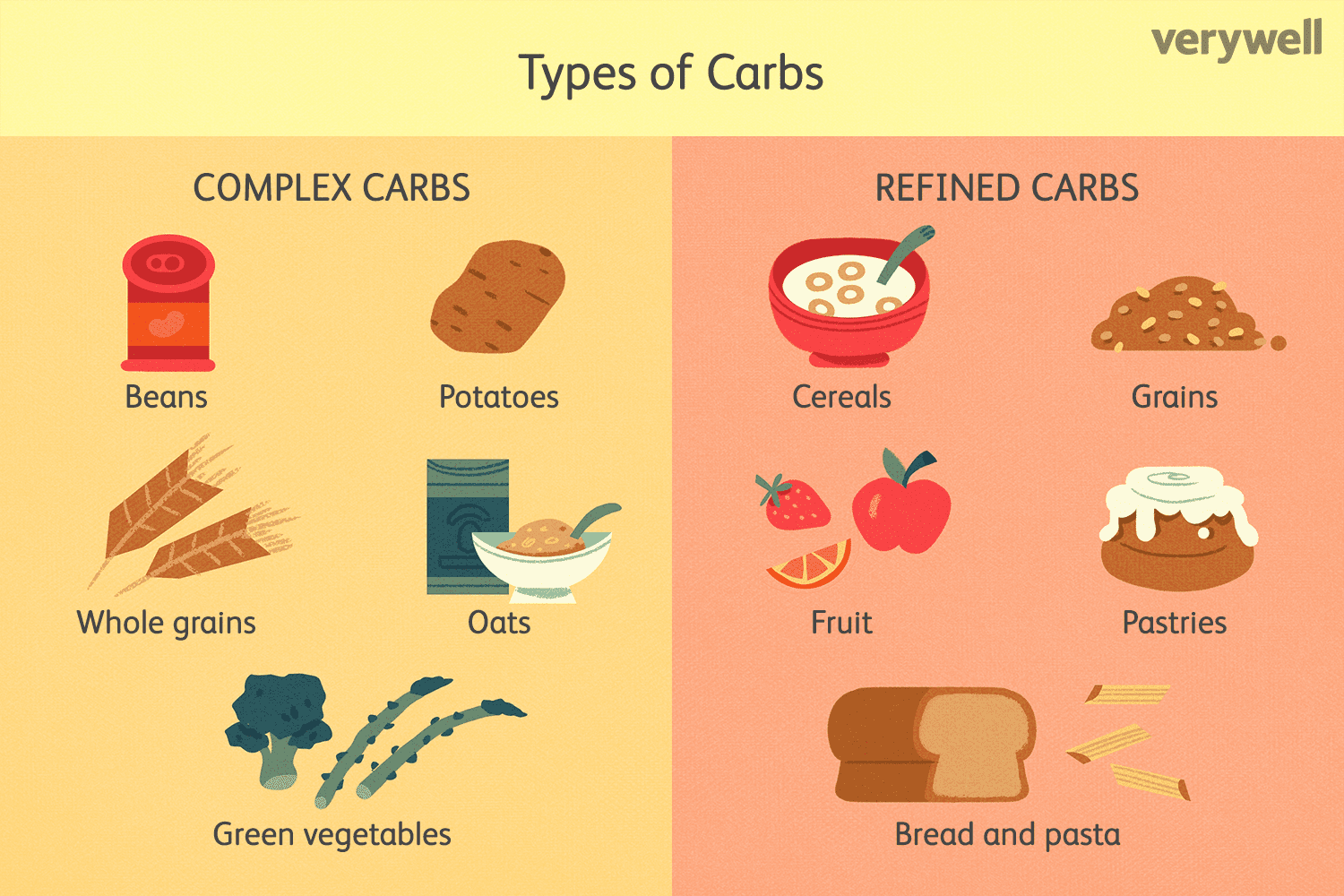 |
Carbs are 4 calories per gram |
| fruits, vegatables and bread | 5% to 10% calories consumed from carbs |
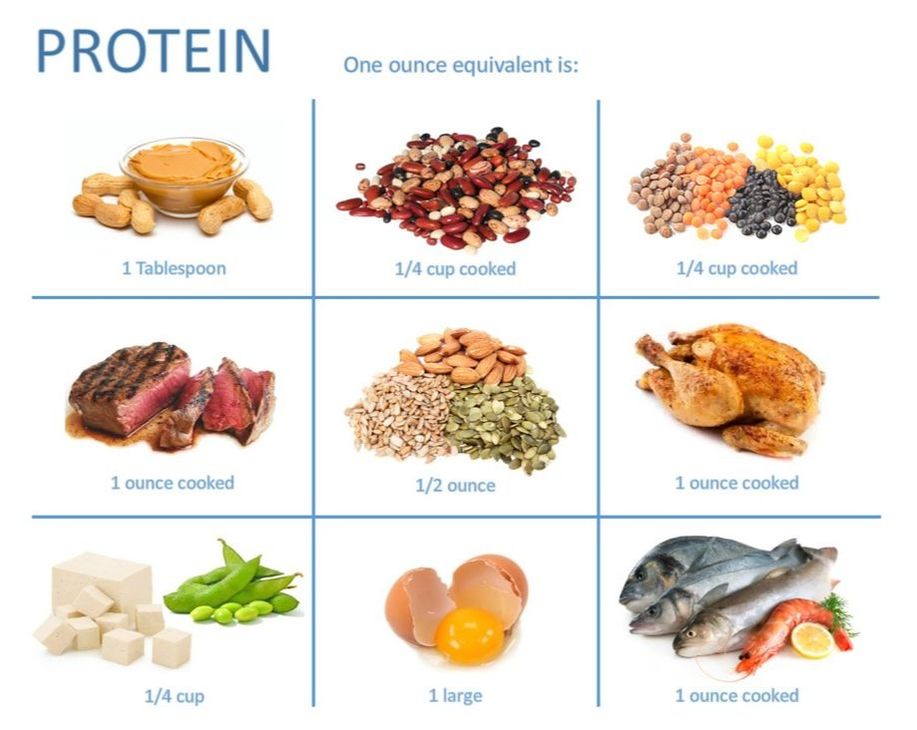 |
Proteins are 4 calories per gram |
| chicken,beef,fish,turkey and eggs | 20% to 30% of calories consumed from protein |
%20v2.jpg) |
Fats are 9 calories per gram |
| olive oil, nuts, avaocados, seeds and fatty fish | 0-3% of calories consumed through fats |
It’s well known that the result of these diets and methods of eating is effective for fat/weight loss but it’s ultimately also clear that there is a cost, such as Risk of Malnutrition, Muscle loss, Fatigue dizziness and even low blood sugar and red blood cell counts, but let’s understand why? The 6 main groups are protein, carbohydrates, fats, vitamins, minerals and water your body needs all 6 for energy production, growth, repair and to regulate body processes Nutrients: (Their interactions. 2004).
-
Carbs
-
Proteins
-
Fats
When people go on a diet they
tend to avoid Carbohydrates because “they make you fat” “they spike your
insulin levels and make you hungry” but its all-water absorption and
water weight rather than fat as talked about to target fat loss its
simply calories in versus calories out, the reason why people get dizzy
and feel fatigued is most likely because there are avoiding
carbohydrates in simple terms your brain needs carbs because your brain
runs on glucose and for those simple cognitive functions your brain
needs the energy to perform these task and avoiding these will cause
fatigue dizziness, which can be eliminated if you ate enough
carbohydrates. To target the negatives of Muscle loss, and the loss of
red blood cells you need to be overloading your protein, a good estimate
is 0.7-1 gram of protein per pound of body weight you have not only
protein will prevent muscle loss and growth and repair for red blood
cells but you also need vitamins and minerals for the increase of red
blood cells and also simple body regulations, your body also needs fats
for these vitamins to be absorbed, but what else does fats do? They help
regulate hormones and help production of hormones, brain function and
help with blood sugar control Nutrients: (Their interactions. 2004) if
you were to target all of 6 of these nutrients and incorporate it into
your diet you will have protein, to prevent muscle loss, Carbohydrates
for energy, fats for hormone regulation, vitamins and minerals to turn
food into energy.
Want a
more in depth explantion?