Gods of Love and Nature
APHRODITE
In Greek Mythology, Aphrodite was the goddess of beauty, love, lust, passion, pleasure, and sexuality. According to tradition, Zeus had Aphrodite marry Hephaestus to keep her from trouble. Aphrodite was associated with the island of Cyprus, and in some traditions, the island was her birthplace, and therefore greatly respected (Graves, 1961, pp. 9-12). The creation myth surrounding Aphrodite is one of the most fascinating among all the gods of ancient Greece.
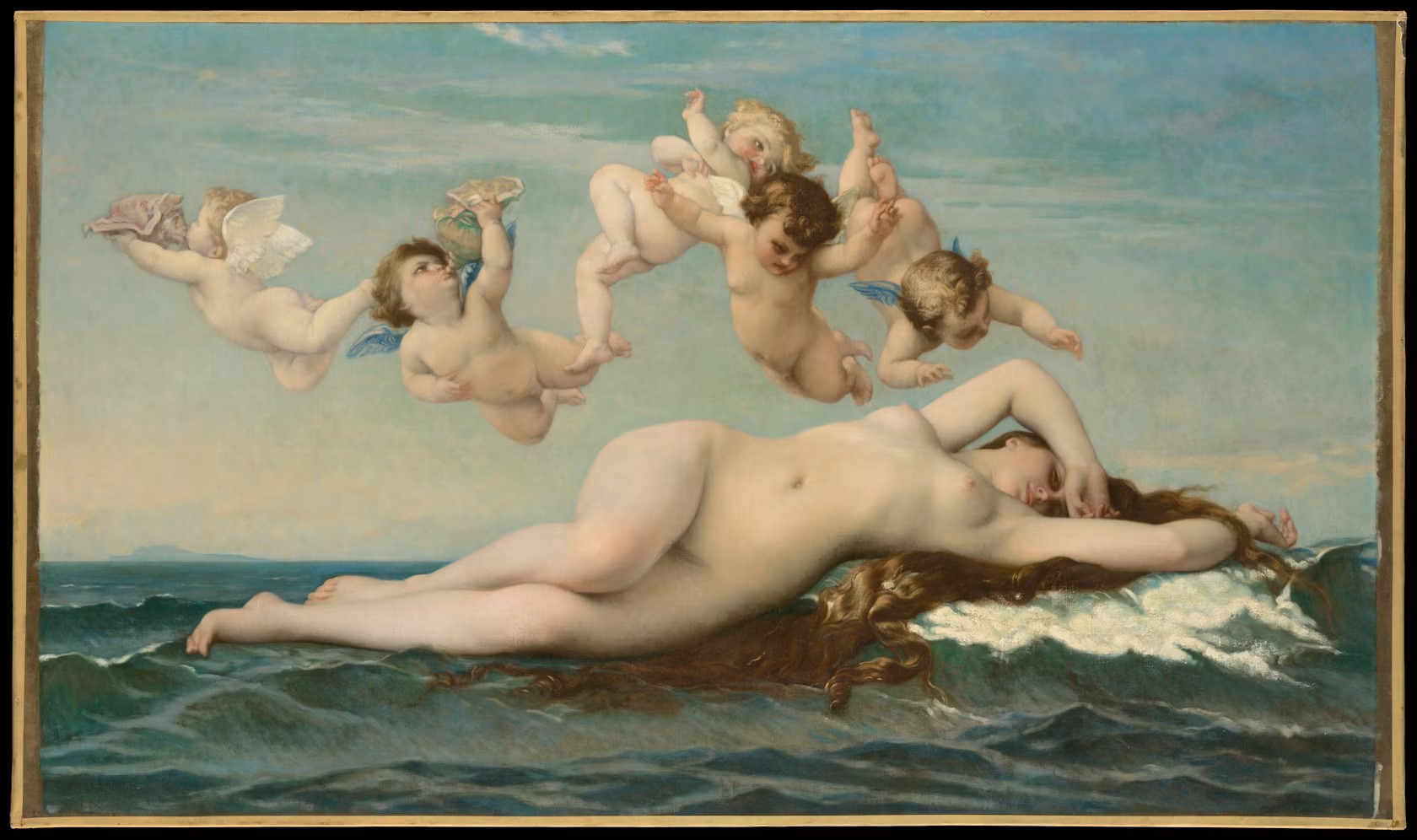
The Birth of Venus (Aphrodite)
According to tradition, when Cronus defeated his father (Uranus) he severed his genitals and hurled them into the bottom of the sea, this action gave birth to Aphrodite (Lee, 2013, p. 13). As a result, she stands out among the rest of the Olympians, as she is the only one who is neither Zeus’s sibling nor his child. She was known as the most beautiful of creation and a powerful symbol of divine femininity (Lee, 2013, p. 16).
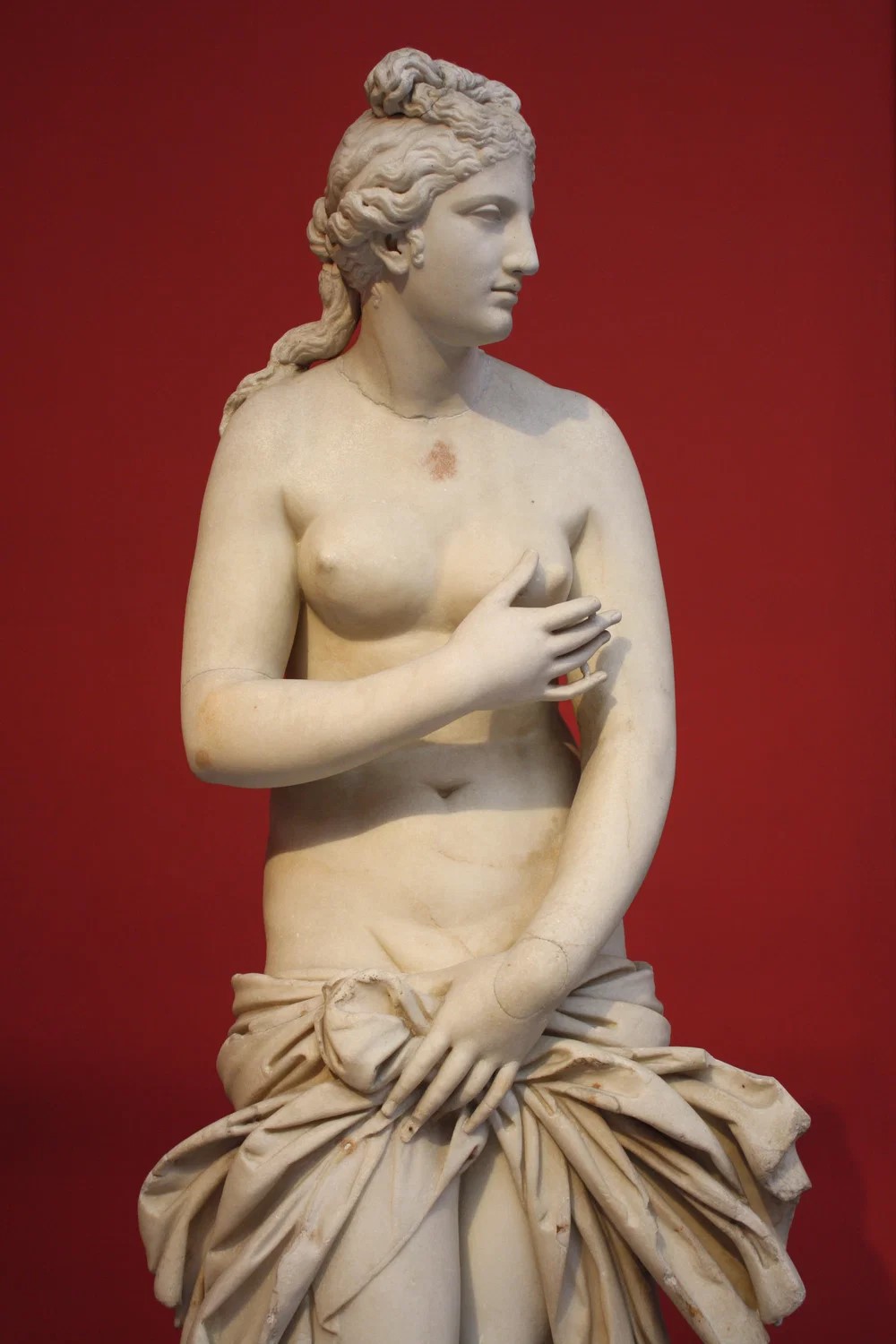
A Parian marble statue of Aphrodite
ARTEMIS
Apollo’s twin sister was Artemis, the goddess of the hunt. Artemis was also associated with animals, archery, healing, nature, virginity, wildfire, and young women. If any unlucky mortal happened to see her while she was swimming in the moonlight, she would change them into a stag, hunt them down and kill them (Graves, 1961, pp. 12-14). Artemis joined the line of perpetual virgin goddesses, never marrying or having children of her own (Lee, 2013, p. 36).
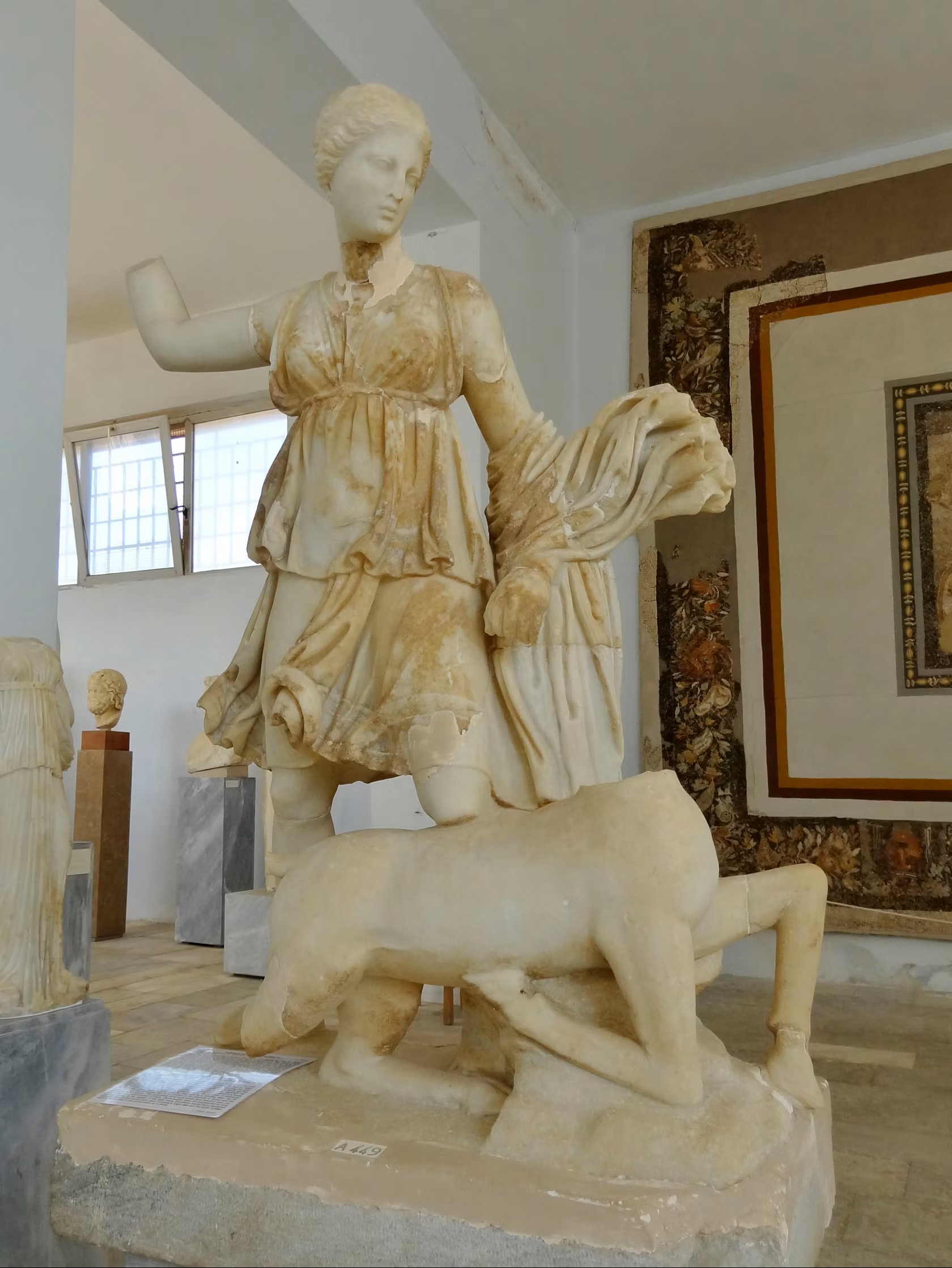
Statue of Artemis killing a deer from
Delos
DEMETER
Cronus and Rhea’s youngest daughter Demeter was the goddess of the harvest, agriculture, and sacred law. She was the mother of Persephone, who would later become the queen of the underworld. According to ancient sources, Demeter was absolutely devastated when her daughter was taken. For nine days, she disguised herself as an old woman and wandered throughout Greece, searching for her lost daughter. While she travelled, searching for answers, she refused to drink or eat anything. As the story unfolds, Demeter realizes that Zeus and Hades were responsible for her abduction. Once she found out, she refused to go home and instead wandered throughout Greece, destroying all signs of life.
The goddess would not allow her trees to bear fruit or her grass to grow, leading to a catastrophe that could’ve destroyed mankind (Graves, 1961, pp. 17-19). Zeus would send Rhea to plead with Demeter, and eventually the goddess agreed and returned to Mount Olympus. Well in captivity, Persephone ate six pomegranate seeds, which forever bound her soul to the underworld – leading to her marriage to Hades. Because of this, Persephone would spend half the year in the realm of the dead, and the other half with her mother Demeter – giving birth to the seasons (Graves, 1961, pp. 12-14).
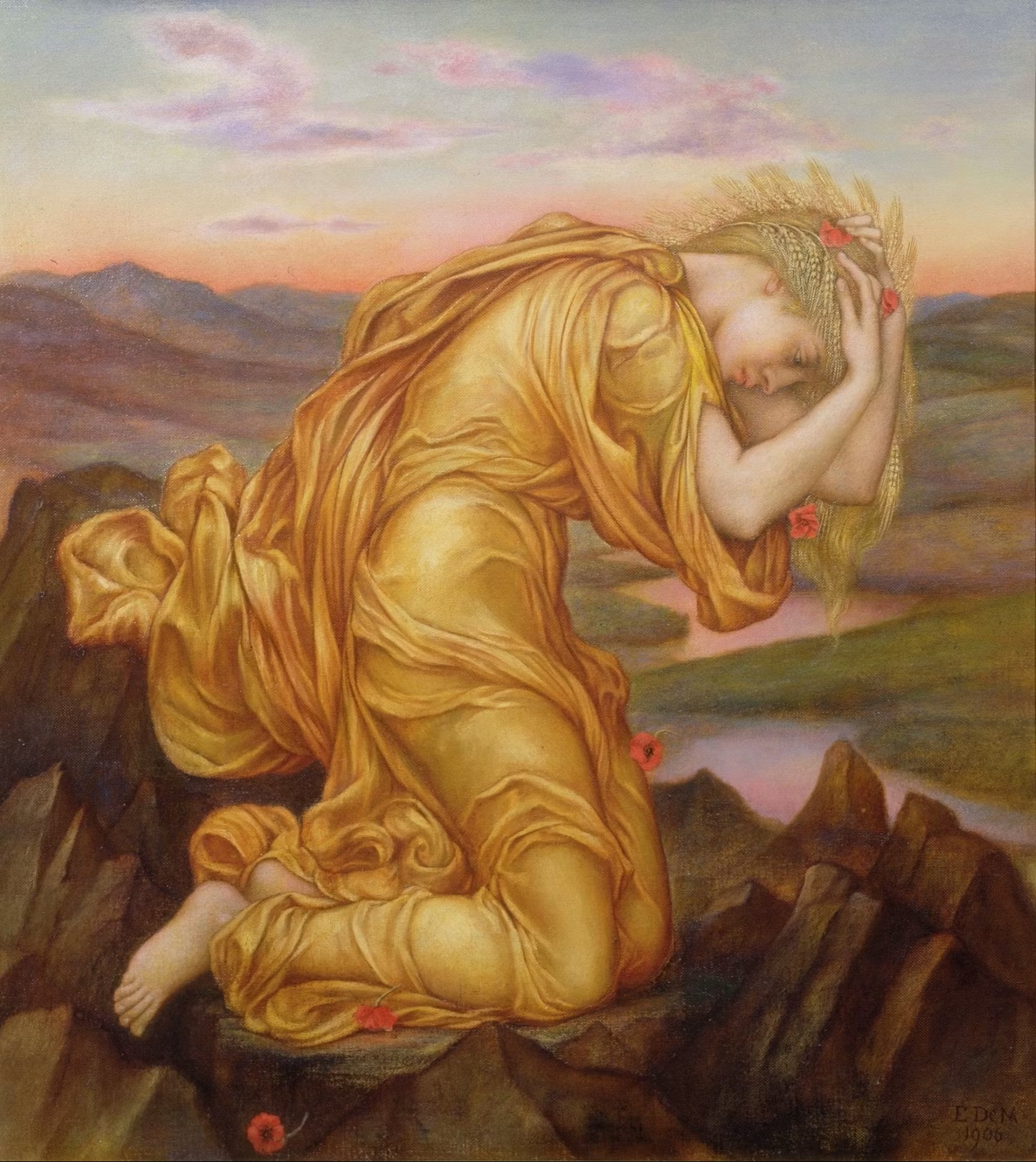
Demeter Mourning Persephone
DIONYSUS
According to legend, Dionysus was the god of wine, fertility, festivity, ritual madness, and religious ecstasy. Dionysus was the son of Zeus and a mortal woman named Semele. His entry into the Greek Pantheon came when Zeus announced that because he invented wine, he earned his place with his fellow Olympians (Graves, 1961, pp. 12-14).
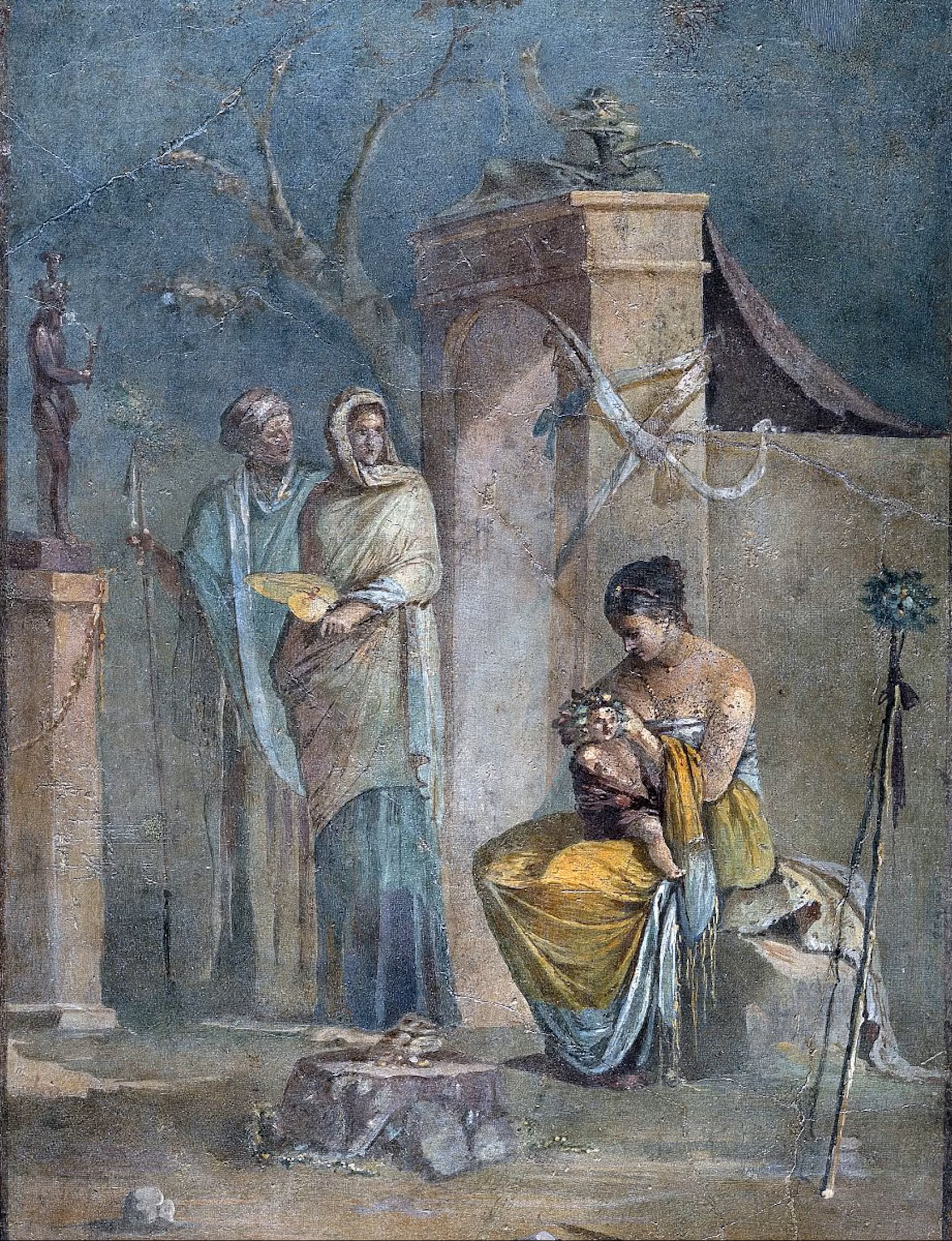
Roman fresco showing the upbringing of
Dionysus (Bacchus)
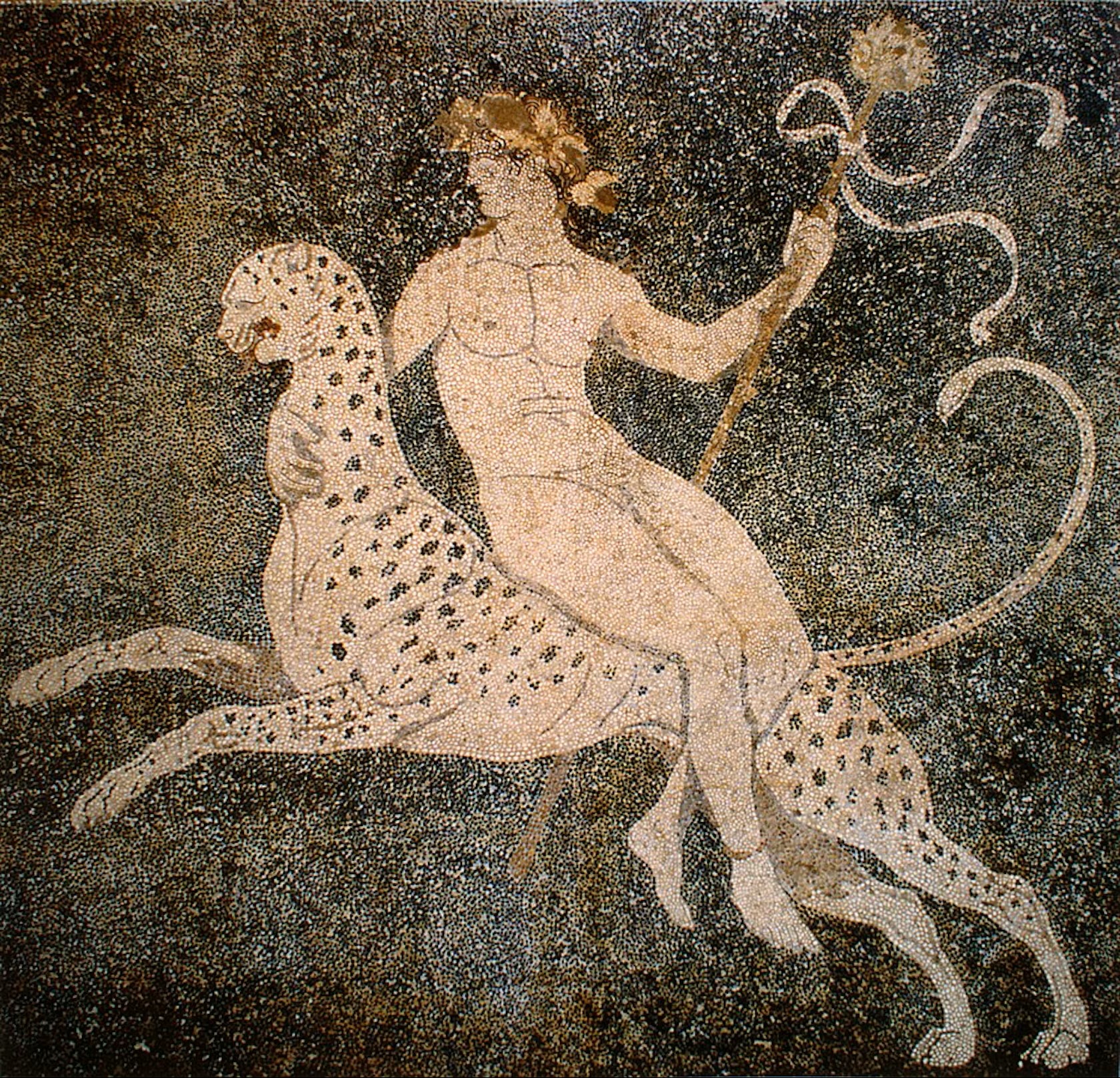
Macedonian mosaic showing Dionysus riding
a leopard
HERMES
As recorded in myth, Hermes was the god of bankers, fortune-tellers, merchants, and thieves. Traditionally, he was the son of Zeus and the goddess Maia. Among other things, Hermes is attributed to have created the alphabet. He was often known as the “messenger of the gods” (Graves, 1961, pp. 12-14). With his father’s authority, he became the god of treaties as well as the protector of all travellers. In many accounts, it was Zeus who gave Hermes his gold hat and winged sandals. Hermes’s influence surpassed the realms of language and numbers, and extended astronomy, musical scales, boxing, and gymnastics (Graves, 1961, pp. 26-29). Many cults in the ancient world depicted Hermes as the symbol of male fertility. Devout believers would place columns known as “Herms”, in gardens and roads to attract good fortune (Lee, 2013, p. 35).
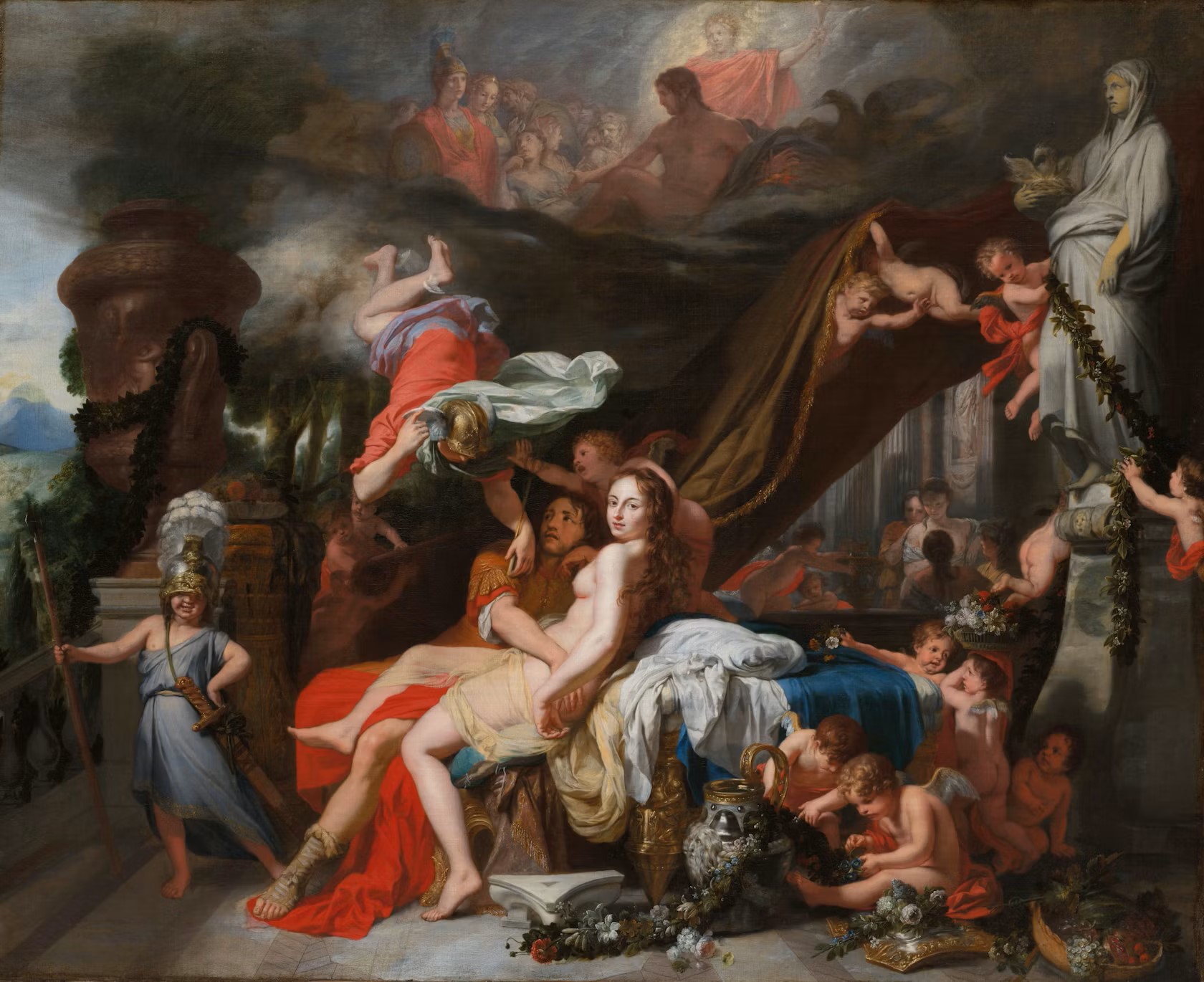
Hermes Ordering Calypso to Release
Odysseus
HESTIA
According to ancient belief, Hestia was the goddess of the home and family. Hestia was considered the kindest and most peaceful of all the Olympians. In later traditions and retellings, Hestia offered her seat to Dionysus, as she chose a life of peace, stability, and harmony (Graves, 1961, pp. 12-14). Hestia remained a perpetual virgin, never touched by masculine hands. She was greatly revered and respected in the ancient world (Lee, 2013, p. 24).
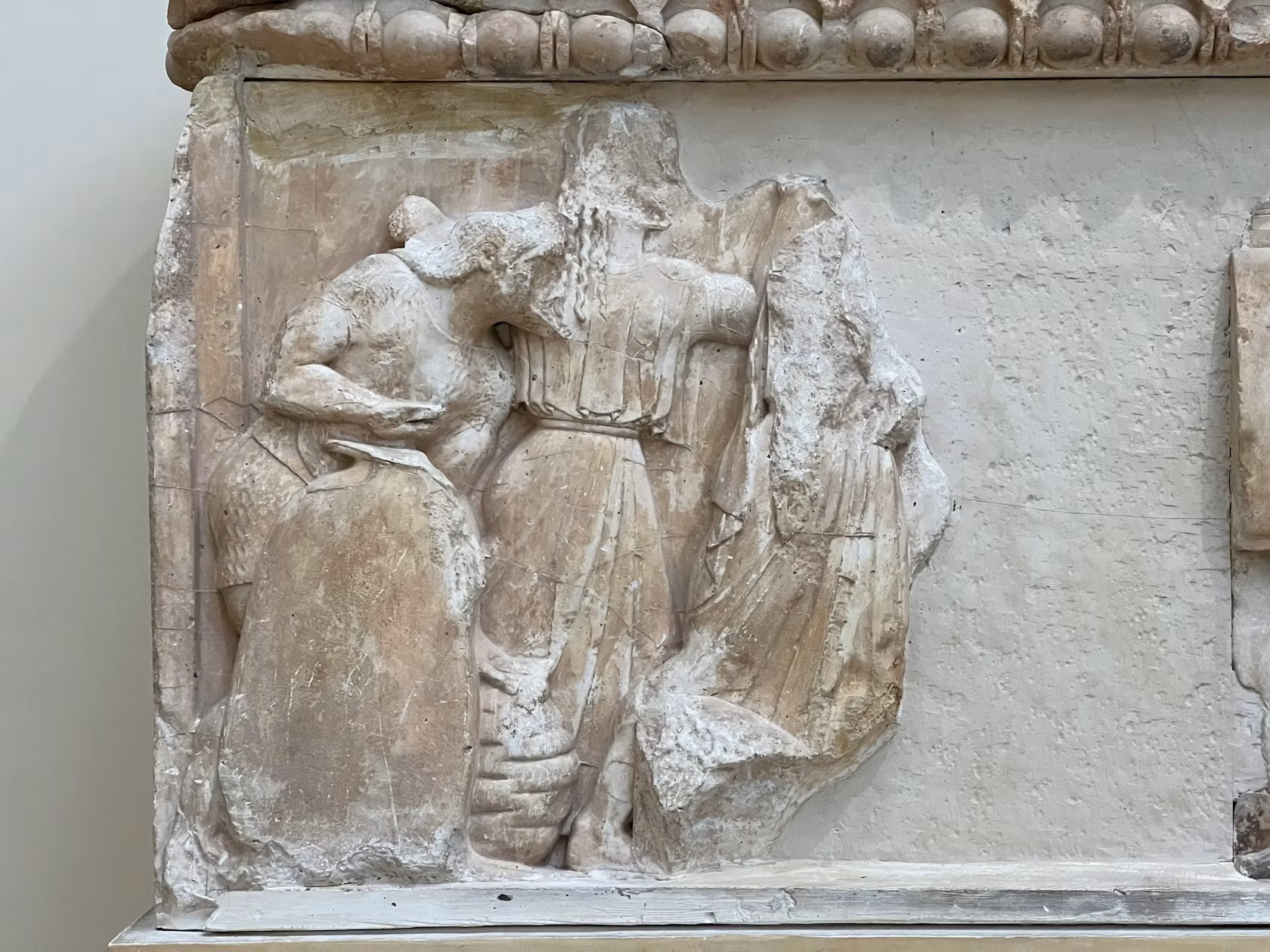
Hestia on the Siphnian Treasury in Delphi
Conclusion
This provided a concise overview and historical background on the major deities in ancient Greek society, offering a short introduction to the Twelve Olympians and some of their most legendary tales. The gods and goddesses of ancient Greece represented much more than just mythology; they were part of a much larger and more complex story. These stories were passed down orally for centuries and were eventually codified and written down so that they could be preserved for future generations.
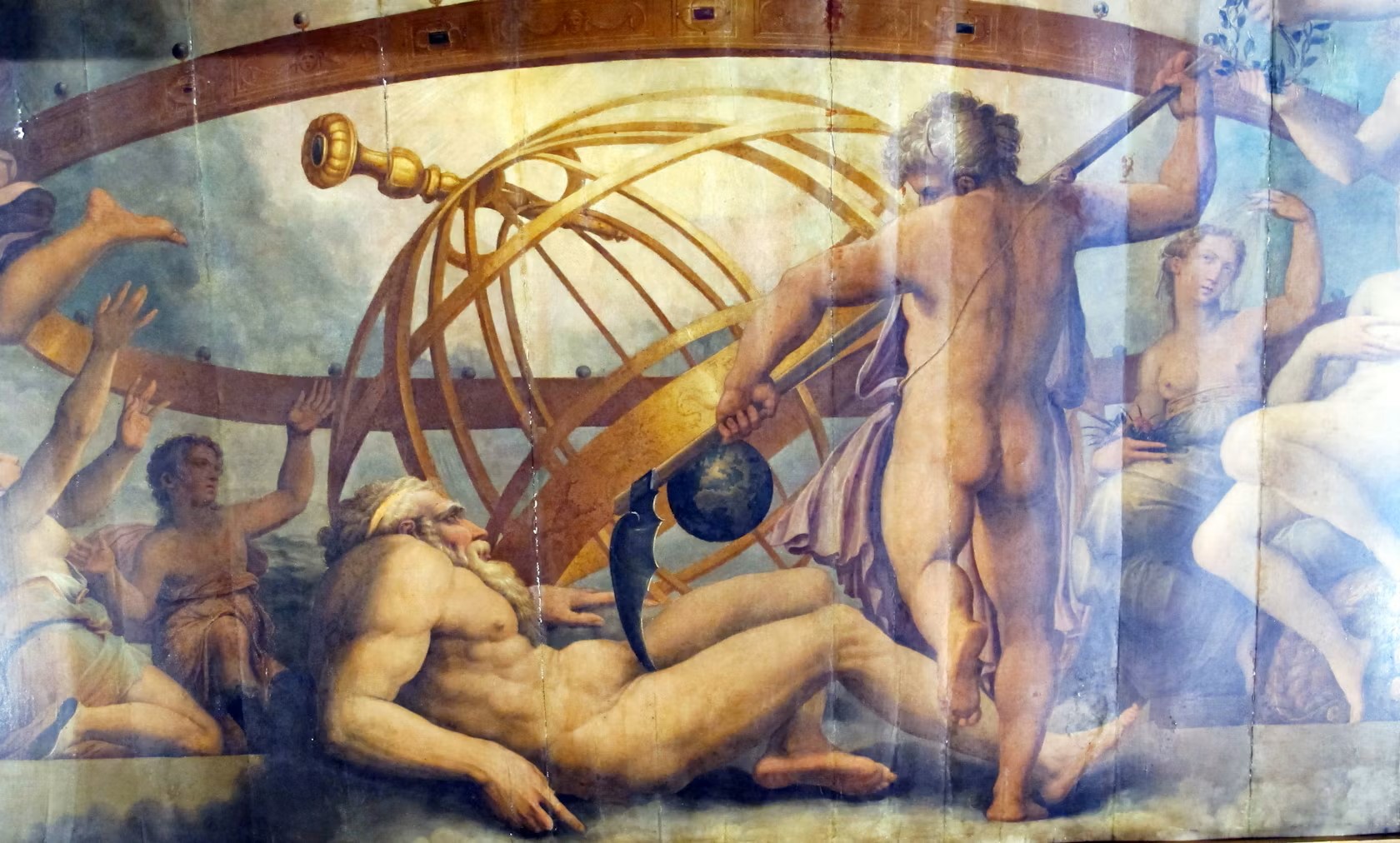
The Mutilation of Crones
To the Athenians and other Greeks, however, many such “myths” – as we call them – gave accounts of what they believed to be their national, cultural, and familial histories, and they believed them to be no less “true” than accounts of famous wars and more recent events. We call the myths given here “cultic” because they tell of the origins of the sacred places, of the divine and hero cults and rituals of individual cities, and of the gods’ relationship to the humans of those cities
Source: Mikalson (2010), pp.69-71
Despite all the wars and political divisions, and despite the many versions of these myths that varied depending on region, local dialect, local practices, and whichever ancient cult your ancestors adhered to, the names of the Greek gods were etched into the social fabric of ancient Greece and Western Civilization forever.
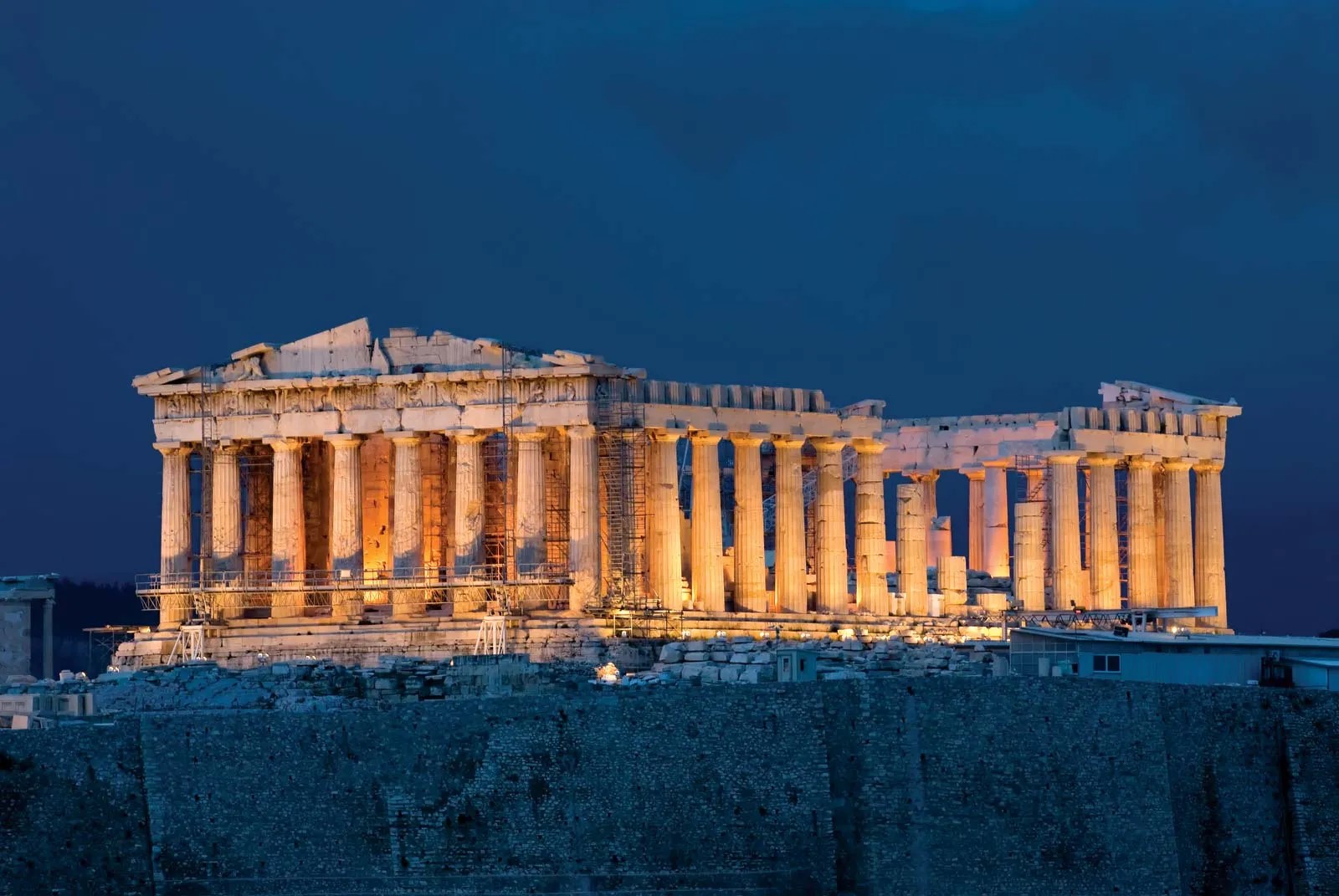
The Parthenon (Athens)