Gods of War and Wisdom
APOLLO
The son of Zeus and the goddess Leto, Apollo was the god of archery, healing, light, knowledge, medicine, music, oracles, and poetry. He was also the protector of the young. According to legend, Apollo was believed to control the sun and was often mistaken as the sun god in Greek Mythology (Graves, 1961, pp. 9-12).
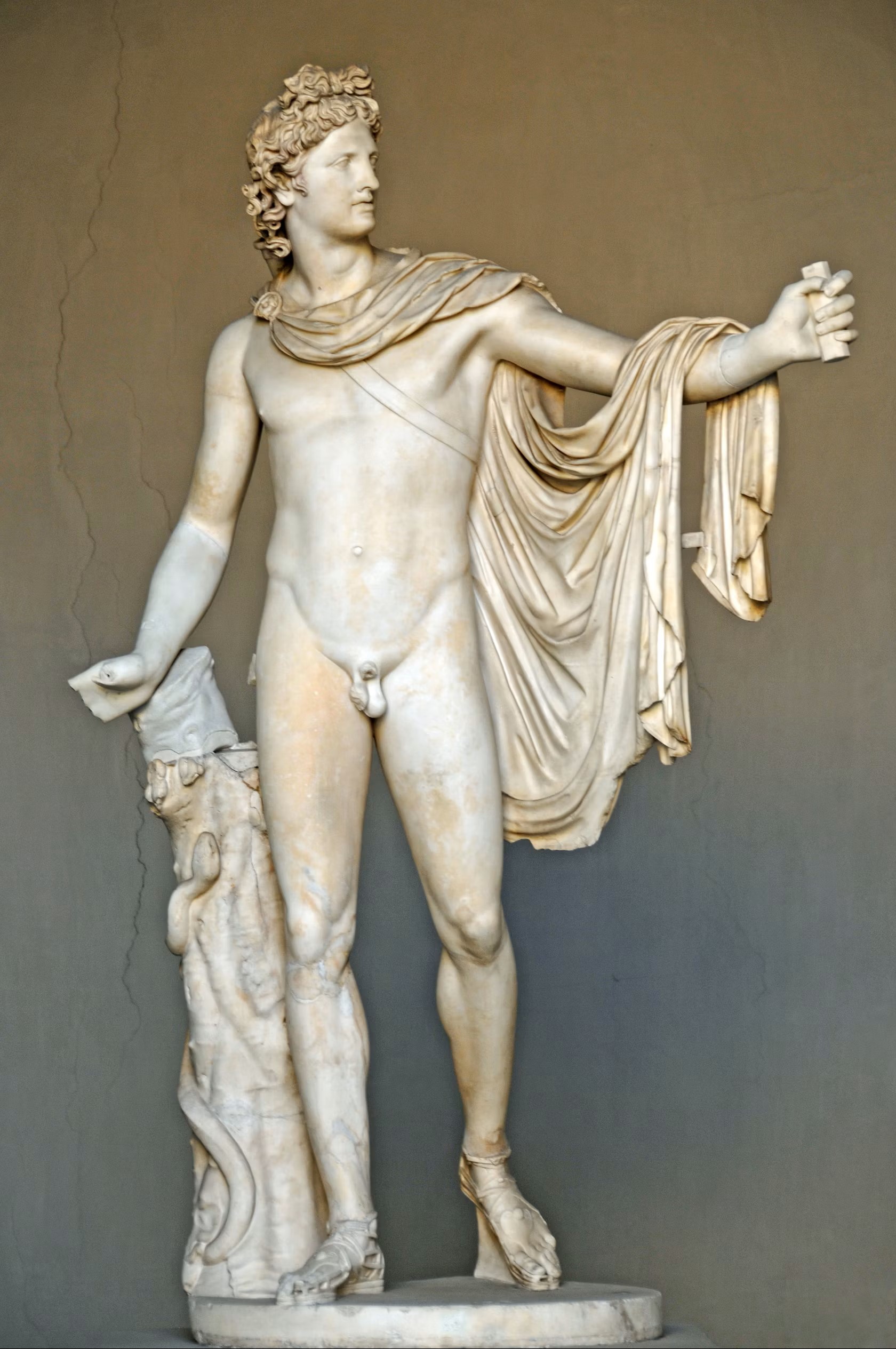
The Apollo Belvedere
ARES
In ancient Greece, Aries was the god of war and courage. Aries was considered the most handsome of all the gods. As recorded in legend, he was the brother of Hephaestus (Graves, 1961, pp. 9-12).
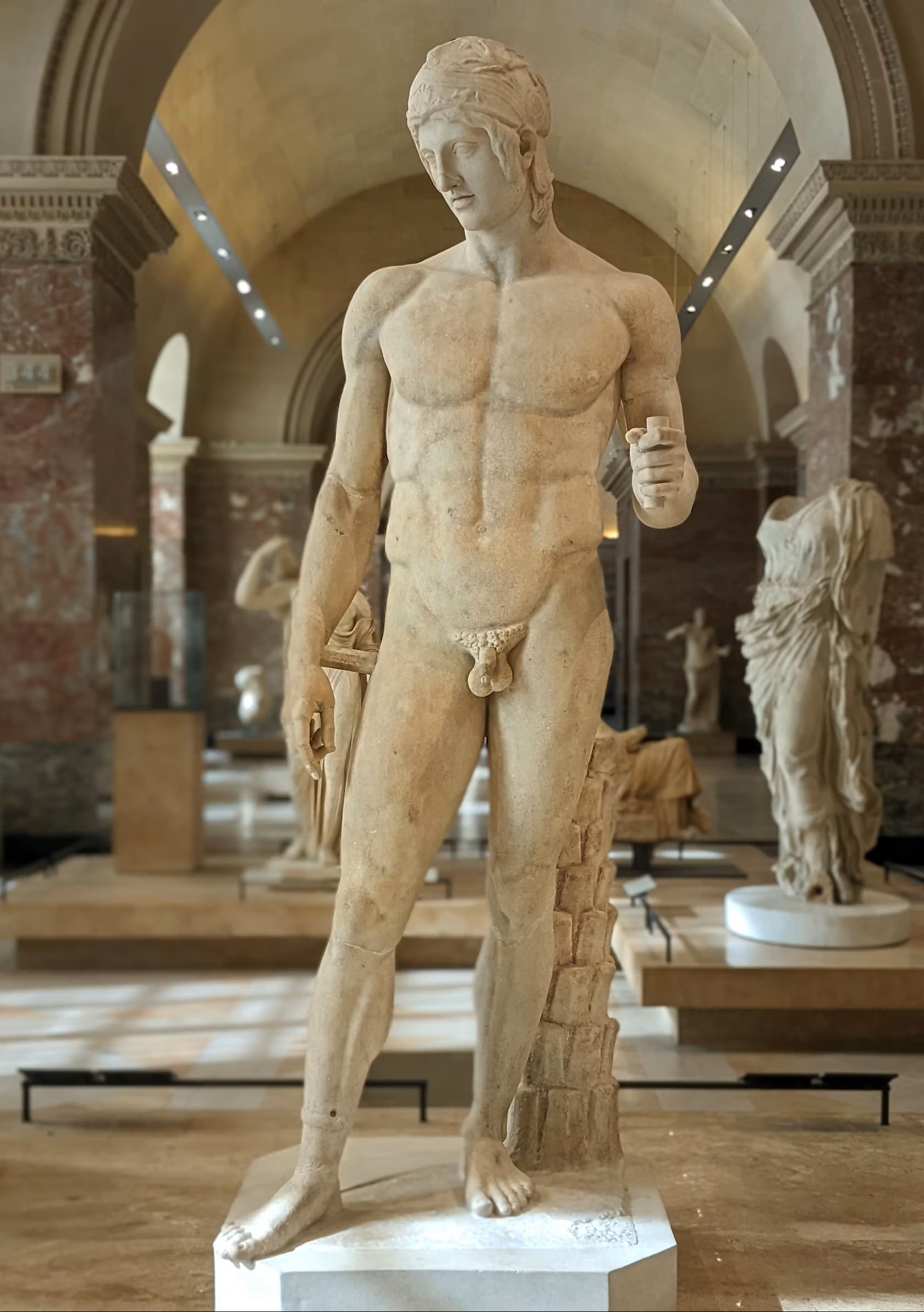
The "Borghese Ares"
ATHENA
Zeus’s eldest daughter Athena was the goddess of wisdom and warcraft. Athena was venerated as the patron and protector of the capital - Athens. According to legend, Zeus was suffering from a painful headache. Hephaestus wielding an axe cracked open Zeus‘s skull - Athena then emerged from her father’s head, dressed in full armour and ready for battle. Although Athena was known as a battle goddess, she never started a war herself. Athena was known as a sensible goddess. Throughout the years, the owl was often attributed to her in depictions through art (Graves, 1961, pp. 9-12). What set her apart for many other goddesses was her status as a perpetual virgin (Lee, 2013, p. 28).
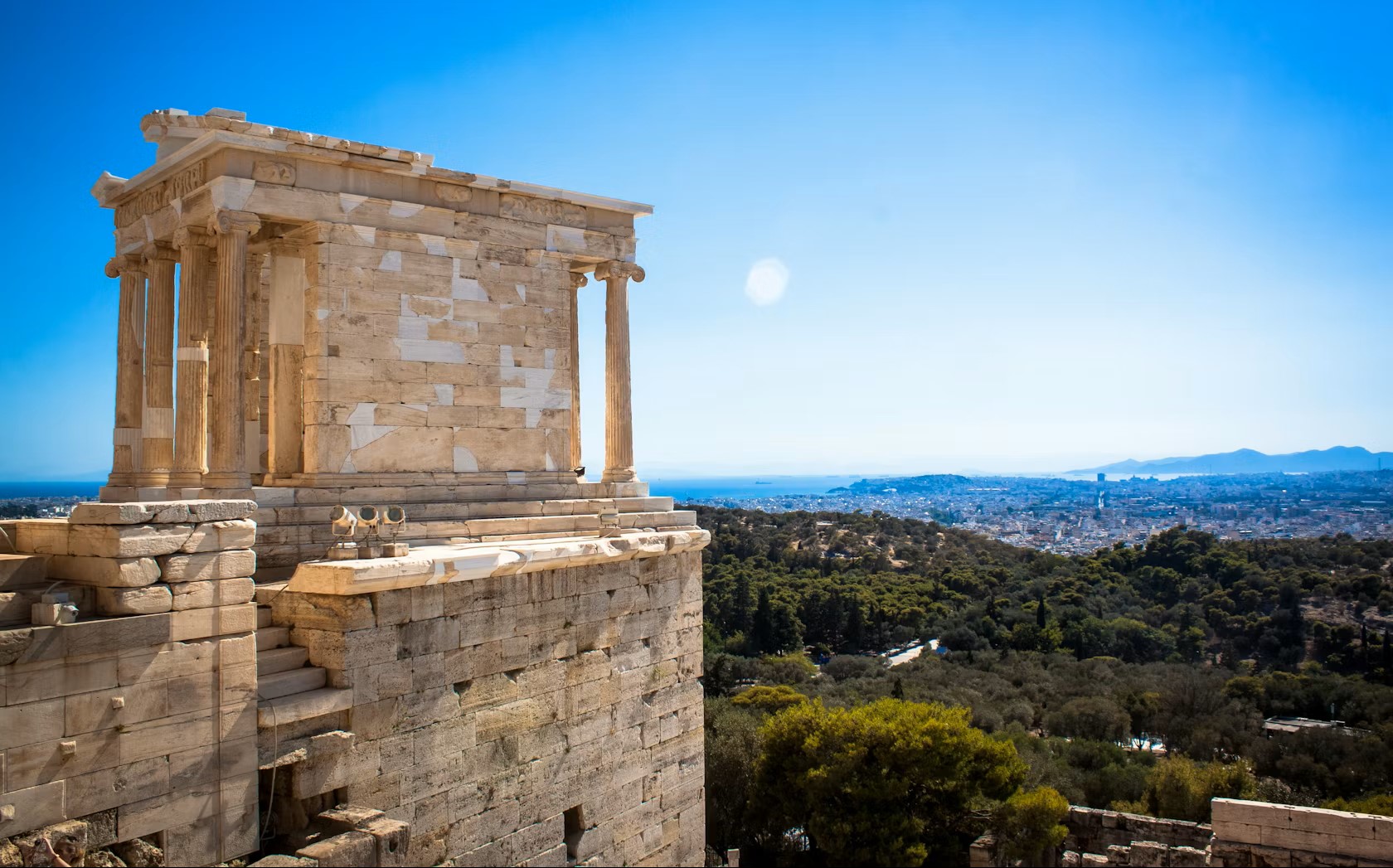
Temple of Athena Nike on the Acropolis in
Athens
HEPHAESTUS
Queen Hera's son, Hephaestus was the god of artisans, blacksmiths, carpenters, goldsmiths, jewelers, metalwork, and sculptors. It was Hephaestus, who built all the thrones on Mount Olympus (Graves, 1961, pp. 9-12).
Hephaestus was considered the ugliest god in Greek Mythology. His creation story is one of the saddest among all the Olympians. He was born lamed, and although there are many conflicting stories and traditions, Hesiod depicts his creation through his mother’s anger and rage. According to that same legend, his mother was deeply disgusted after he was born and threw him from Mount Olympus. He was rescued by various creatures and eventually returned to Olympus (Lee, 2013, p. 38).
He was the laboring god, the god whose hands weren’t bloodied by ridiculous squabbles but dirtied by his honest work. Whenever a god needed something special — a helmet to grant invisibility, an impenetrable shield, a breastplate to display the severed head of a Gorgon — it was our thick-shouldered god of the swinging hammer that got the job done.
Source: Lee (2013), p.38
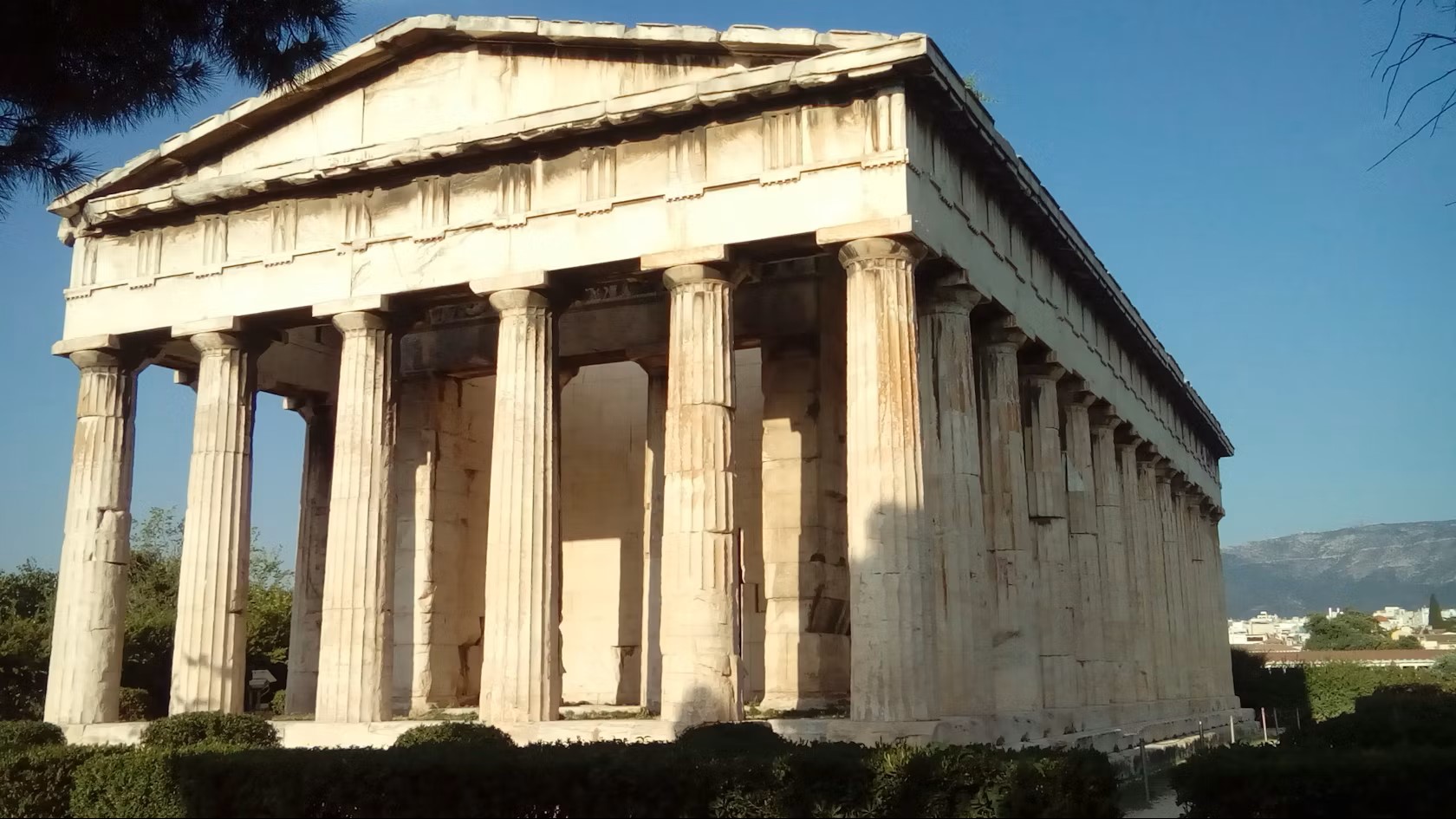
The Temple of Hephaestus