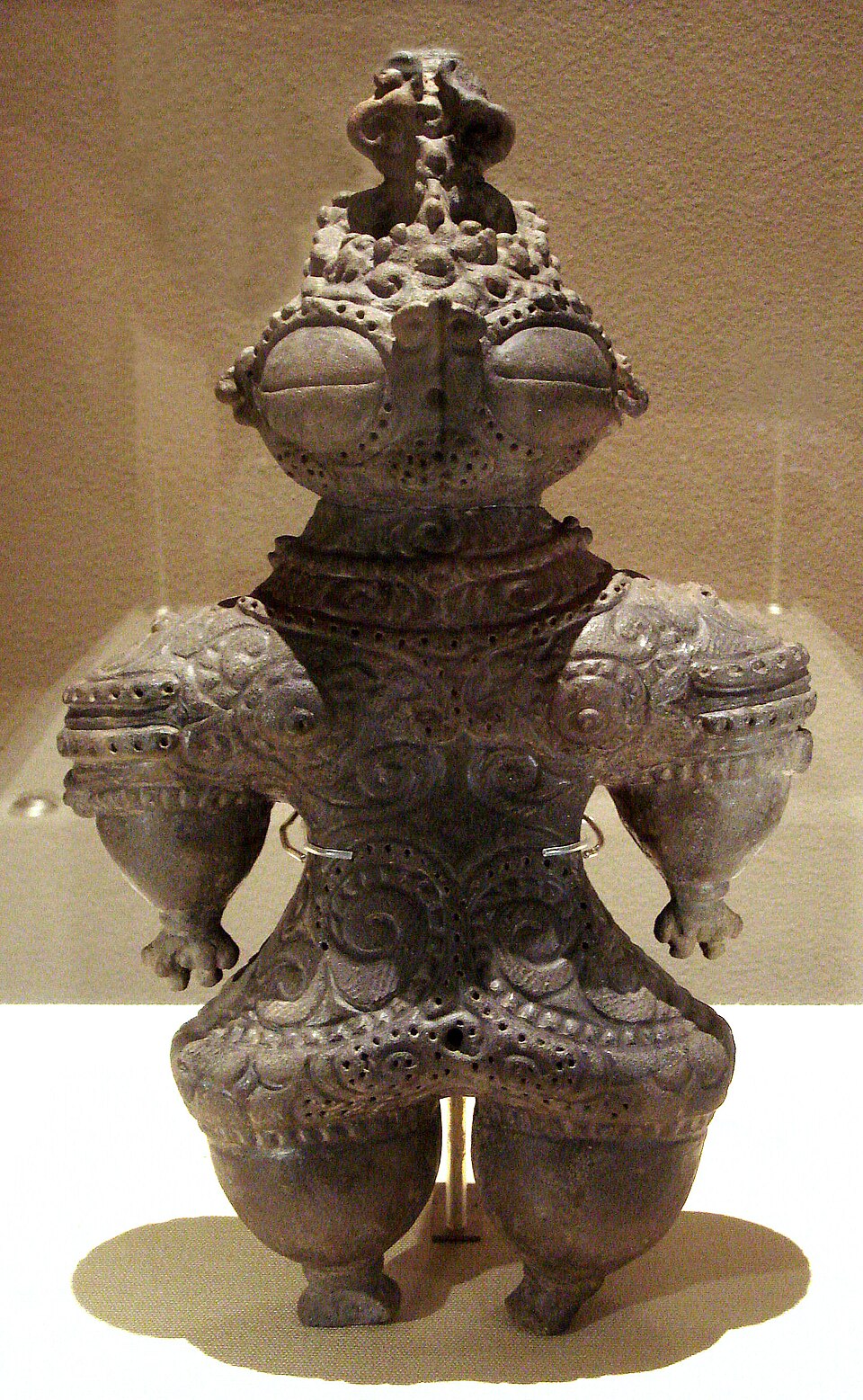
Figure 11. Goggle-eyed dogu clay figurine, late Jōmon period. Photo by World Imaging / CC BY-SA 3.0. Original artifact held by the Tokyo National Museum.
Arts
Jōmon
The Jōmon period was named after pottery “decorated with a cord pattern impressions (Jōmon)” (Britannica Editors, 2025). This pottery was made out of ‘unrefined low-fired clay.” The pottery wheel had not yet been invented, so the pottery was made using a manual coiling method. Excavations uncovered figurines believed to symbolize fertility, suggesting early stages of ritual practices, a variety tools made of bone and rock were also found, including, bows, arrows, knives, axes, needles, woven baskets as well as cooking ware and storage containers. (Masamoto et al., 2026).
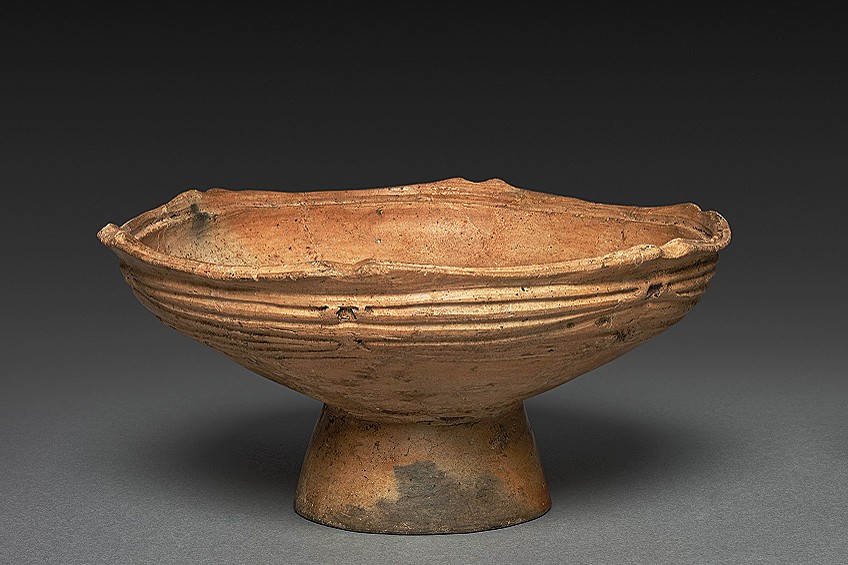
Figure 12. Earthenware deep bowl, middle Jōmon period (Katsusaka style). This style is noted for its dramatic, sculpted rims. Photo: Metropolitan Museum of Art / CC0
Yayoi
“The Yayoi people mastered bronze and iron casting” (Britannica Editors, 2018). Pottery of the Yayoi era differed from the Jōmon era by the use of different tools like a pottery wheel, knives and combs to carve decals into the pottery. This pottery was also notably larger, more complex in shape and fired at a higher temperature. Metal artifacts, specifically bronze casted bells called dōtaku that were used for spiritual ceremonies, represent advanced artistic expression. The dōtaku were inspired by Chinese instruments and came in various sizes. When struck, the bells produced different tones depending on their size. The engravings on the bells depicted shamanistic images, suggesting shamanism was a dominant religious practice at the time (Masamoto et al., 2026; Hayward et al., 2025).
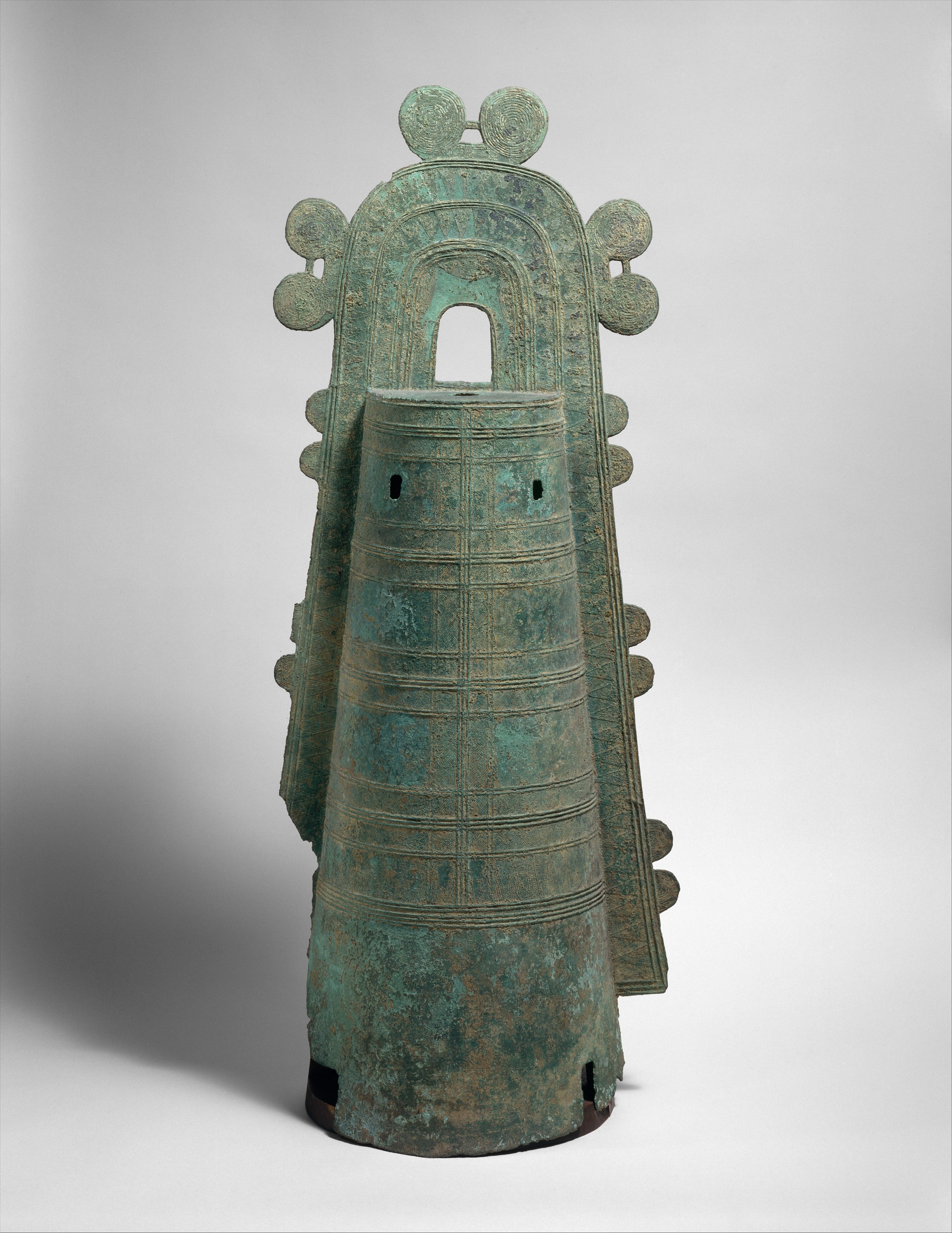
Figure 13. Bronze dōtaku (ritual bell), late Yayoi period (2nd–3rd century). These bells are iconic symbols of the Yayoi era's advanced bronze-casting and were likely used in agricultural rituals. Photo: Metropolitan Museum of Art / CC0
Kofun
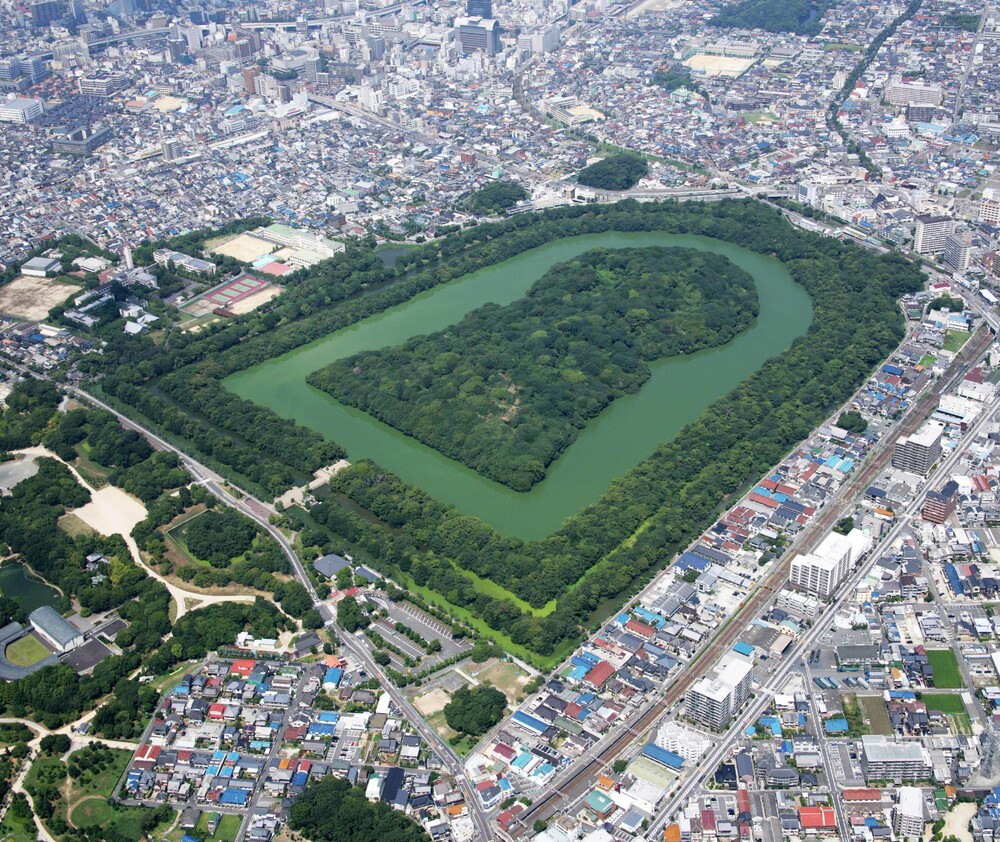
Figure 14. Aerial view of the Daisenryo Kofun, Osaka Prefecture. These massive tombs represented the status and power of the deceased. Photo: UNESCO World Heritage Centre.
Kofun known for funerary practices and the “large earthen keyhole-shaped burial mounds” (Britannica Editors, 2024). Surrounding these tombs were hollow clay sculptures known as “Haniwa”, swords, carved jade jewels and mirrors. Part of this practice includes the construction of large tombs, size and complexity representing status. The walls of these tombs were painted with artwork depicting Chinese cosmology and highly detailed paintings of female figures. Kofun was also recognized for Haniwa and Sue ware. Sue ware was closely related to Korea ceramics, considered advanced for its time and would later be the foundation for medieval Japanese ceramics. Haniwa were cylindrical clay forms placed at the entrance and around the tombs. Later in the Kofun period Haniwa were carved into numerous figures including “warriors, female attendants, dancers, birds, animals, boats, military equipment, and even houses. It is believed that the figures symbolized continued service to the deceased in the other world.” (Britannica Editors, 2016)
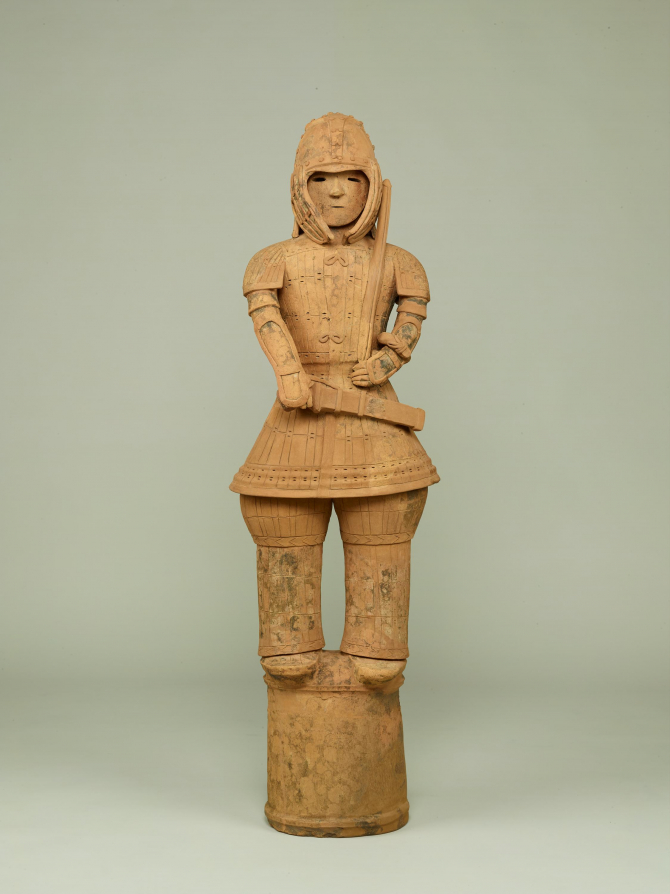
Figure 15. Haniwa warrior in keiko armor, Kofun period (6th century). Photo courtesy of the Tokyo National Museum.
To learn more about Haniwa watch this video:
https://youtu.be/pCpiIPj7xgI
Asuka
In the Asuka era, Chinese influence increased the popularity of Japanese Buddhist art, with a focus on symmetry, stylized linear draping, and gentle or reserved facial expressions. Eventually, this evolved into more “rounded, three-dimensional forms” (Ulak, 2025). The practice of making sculptures helped advance clay, wood, lacquer, and bronze working techniques significantly. Similarly to the sculptures, the paintings had spiritual relevance and often told spiritual stories. Popular among them were the jataka tales, moral lessons taught through stories about Buddha’s journey. Much like the sculptures, the paintings too had been influenced by India and China to have a “linear, flowing style” (Ulak, 2025). Sculptures and paintings were primarily displayed in temples built to protect Buddhist art and rituals; therefore, artistic expression was taken into careful consideration for their construction. Ceremonies and ritual performances began incorporating Buddhist chants, which later evolved into formal Buddhist musical rituals (Brandon, 2022).
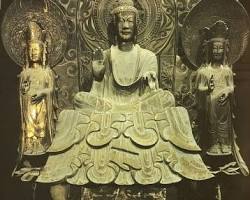
Figure 16. The Shaka Triad at Horyu-ji (623 CE) by Tori Busshi. This piece illustrates the symmetrical, flowing style influenced by Chinese Buddhist art. Photo: Horyu-ji Temple.
Nara
A defining feature of the Nara period was the use of “hollow-core dry-lacquer techniques” originally developed in China to build sculptures (Britannica Editors, 2026). Tang-style paintings greatly influenced the style of paintings in the Nara period for example “work on hemp depicts in full polychromy a full-cheeked beauty in the high Tang style, which was characterized by slightly elongated, pleasantly rounded figures rendered with long curvilinear brushstrokes” (Ulak, 2025) As well as the metal work of particularly gold and silver objects in ancient Japan’s Nara period (Hayward et al., 2025). “Virtually all aspects of Tang culture were absorbed during this period”. The Nara period symbolizes grandeur through the size and complexity of the art produced. Official acceptance of Buddhism led to the increased popularity of Buddhist chanting. During the Nara period, Gagaku a type of court music was introduced from China and Korea, accompanied Shinto dances, also known as Kagura (Brandon, 2022). These were performed at the shrines to honor deities. Major temples, Todai, Hokkedo and Kofuku housed some of the greatest artistic works of this period. The Todai temple is most notoriously known for storing the colossal, bronze Great Buddha statue (Britannica Editors, 2026).
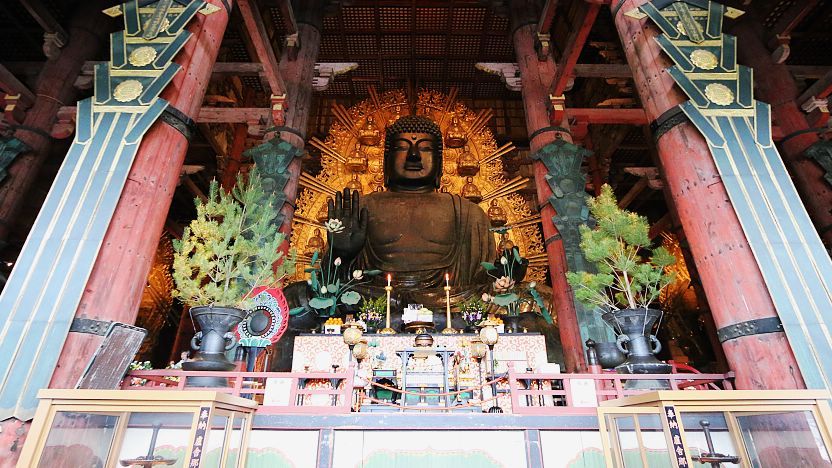
Figure 17. The Great Buddha (Daibutsu) at Todai-ji. This colossal bronze statue reflects the grandeur and technical complexity of Nara period art. (Todai-ji Temple, n.d.)
The late Nara period shows an advancement of early Nara techniques, “hollow-core dry-lacquer” evolved to use a lacquer-soaked cloth placed over a carved wooden core. “In addition to new construction techniques, sculpture of the late Nara period also shows a stylistic shift, probably imitating a continental trend, toward more mannered depictions of drapery and a more stolid, fleshy form, conveying a brooding feeling” (Ulak, 2025) The popularity of this style continued and increased in the Heian period and examples of this style were abundant early into the Heian period.
Heian
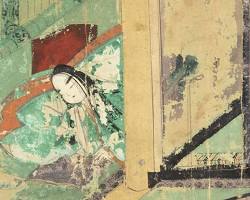
Figure 18. Scene from the Tale of Genji Emaki, 12th century. This narrative handscroll illustrates the world's first novel and exemplifies the "yamato-e" style, focusing on Japanese subjects and emotional nuances. (Tokugawa Art Museum, n.d.)
The Heian period is where Japanese art separated from Chinese art. Noticeable differences including style, theme, subjects and technique. The Heian period saw a further shift from Chinese influence. Emaki, narrative scroll art, introduced Japanese characters to represent uniquely Japanese expressions (Britannica Editors, 2024). Literature becomes sponsored by the court, resulting in both “literature and art, often infused with nuances of sadness, melancholy, and regret” (Britannica Editors, 2024). Further written expression expands to include poetry. One famously noted piece of literature was “The Tale of Genji” considered to be the worlds very first novel. Written by Murasaki Shikibu, who was a lady-in-waiting within the Heian court. This novel was written primarily in hiragana, the phonetic language associated with women of the court. Later this novel would be made into an Emaki. Heian court intertwined literature and painting to deepen expression. Performances like Gagaku (court music), Kagura (Shinto dances), Waka (poetry reading) flourished during the Heian period and laid the foundation for the future of theatre Noh (Brandon, 2022)