Historical Background
Japan’s geography consists of mountain ranges, valleys, powerful rivers, and is surrounded by the Pacific Ocean (Sakamoto et al., 2026). The eras of ancient Japan are the Jōmon period, Yayoi period, Kofun period, Asuka period, Nara period and the Heian period (Britannica Editors, 2025; Britannica Editors, 2018; Britannica Editors, 2024).
Jōmon
The Jōmon period (10,500 BCE – 300 BCE) was the beginning of documented civilization in Japan. “The Jōmon period is generally subdivided into six phases:
- Incipient Jōmon (c. 10,500–8000 BCE)
- Initial Jōmon (c. 8000–5000 BCE)
- Early Jōmon (c. 5000–2500 BCE)
- Middle Jōmon (c. 2500–1500 BCE)
- Late Jōmon (c. 1500–1000 BCE)
- Final Jōmon (c. 1000–300 BCE)
(Ulak, 2023).
The Jōmon people lived in small settlements close to sources of water. Research suggests the possibility of early agriculture (Britannica Editors, 2025). They were also thought to have traded with Korea at this time (Sakamoto et al., 2026). In the Middle Jōmon period (2500-1500 BCE) archaeological findings suggest the formation of permanent settlements and a rapid population increase, however this did not last (Britannica Editors, 2025). “Evidence from the Final Jōmon suggests that inhospitable forces, whether contagious disease or climate, were at work. There was a considerable decrease in population and a regional fragmentation of cultural expression” (Britannica Editors, 2025). Toward the end of the Jōmon, civilizations migrated closer to the coast. This encouraged the development and growth of deep-sea fishing and the creation of the toggle harpoon (Britannica Editors, 2025). The end of the Jōmon era welcomed the rise of the Yayoi period (300 BCE – 250 CE).
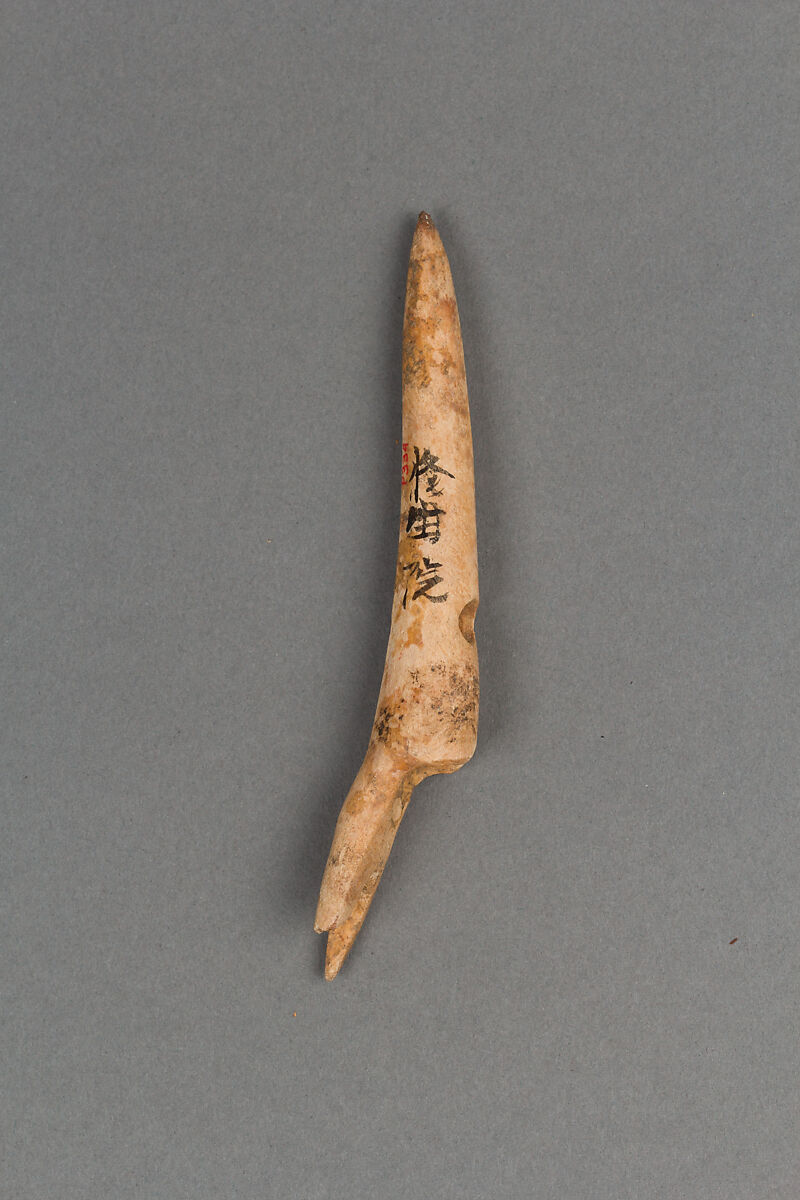
Figure 2. A Jōmon period harpoon head made of bone. This tool shows how the early Japanese people relied on the sea and developed specialized technology for fishing and hunting (Tokyo National Museum, n.d.).
Yayoi
The Yayoi period was the introduction of the Chinese techniques of wet paddy rice cultivation (Britannica Editors, 2018). Influence from China’s advanced culture spread to Korea where it was implemented into the foundations of Japan (Sakamoto et al., 2026). Archaeological discoveries of marked graves were found, coffins made of stone and clay urns similarly to those found in Korea. Occasionally a grave could be found isolated and circled by dug out earth, swords, mirrors and beads. This find suggests hierarchal status (Britannica Editors, 2018). The historical Chinese text Chronicles of Wo mention the hundred plus kingdoms of Japan and depicts letters written between the leader of China and Queen Himiko the first known ruler of Japan signifying the proof of written language (Masamoto et al., 2026).
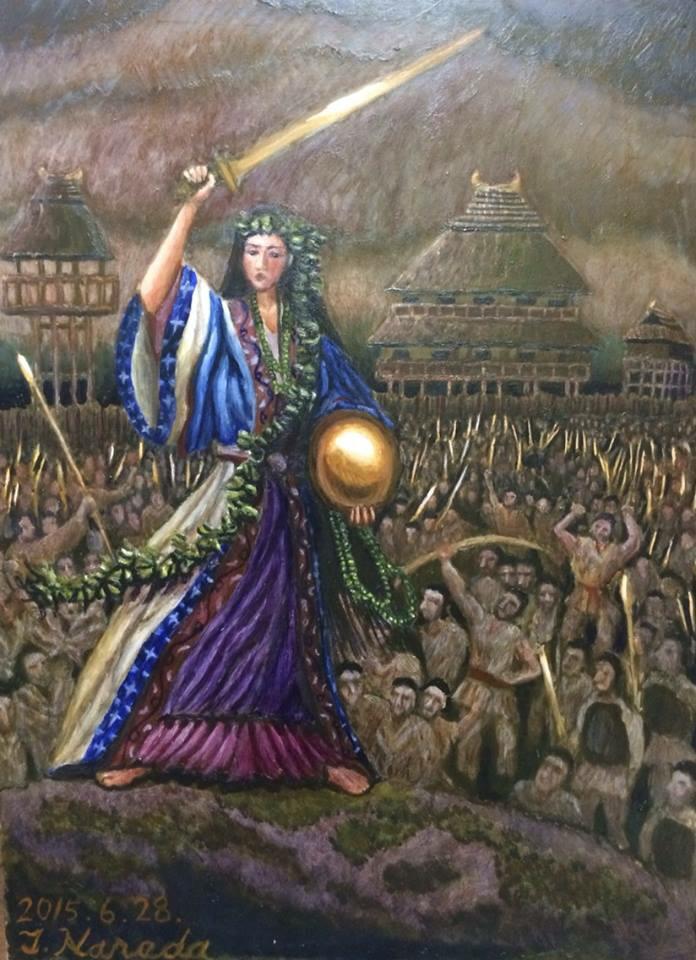
Figure 3. An artist’s depiction of Queen Himiko. As the shaman-queen of Yamatai, she represents the shift toward centralized political power and organized social classes during the late Yayoi period (National Museum of Japanese History, n.d.).
Kofun and Asuka
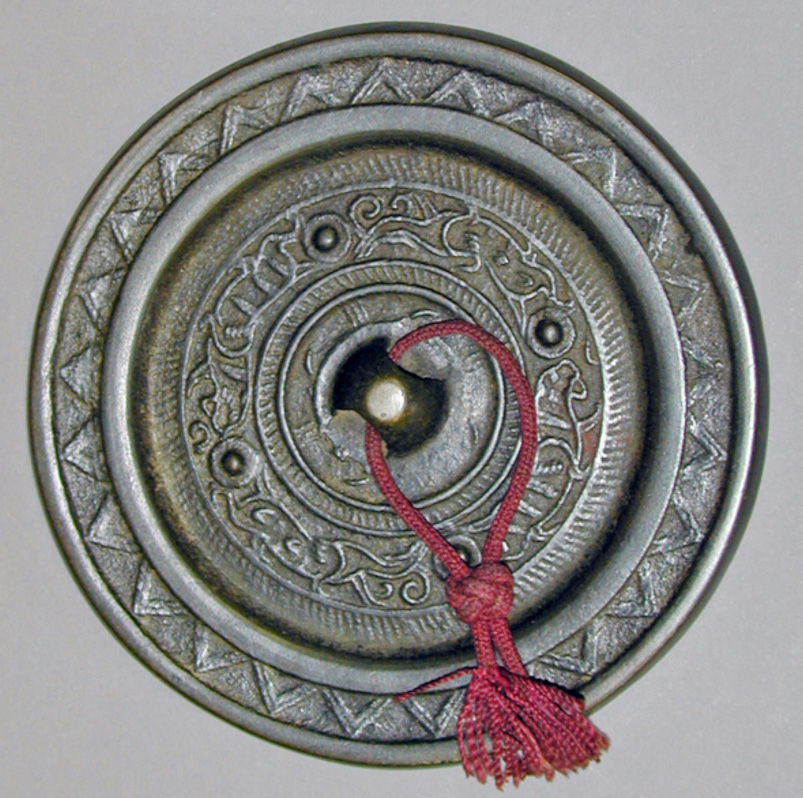
Figure 4. A bronze mirror from ancient Japan. Mirrors like this were highly prized status symbols and were often buried in the tombs of powerful leaders to show their wealth and rank. (Pitt Rivers Museum, n.d.)
The next period can be referred to as the Yamato period however within this period there are two eras that provide greater timeline detail, the Kofun period (250 AD - 552 AD) and the Asuka period (552 AD – 710 AD). The Yamato period is representative of an advancement of political power and conquest (Masamoto et al., 2026). The Kofun period also known as the Tumulus period was primarily regarded for its funerary practices (Britannica Editors, 2024). In the end of the Kofun period during the transition to the Asuka period conflict had started to arise between Japan and Korea. The rulers of Japan gained power by “relying on control of increased agricultural output and monopolizing superior military technology” (Masamoto et al., 2026). The kings rise in power forcefully expanded the Yamato region into Korea causing warfare with the three kingdoms of Korea (Masamoto et al., 2026). By 531 the Yamato kingdom sees a decline of power owned by the rulers and a rise of power in clan leaders and new clans (Masamoto et al., 2026). The Asuka portion of the Yamato period demonstrates the official introduction and increase in popularity to Buddhism and the construction of Buddhist temples. By the end of the Asuka period, a strong governmental structed develops because of the Taika reforms (Masamoto et al., 2026).
Nara
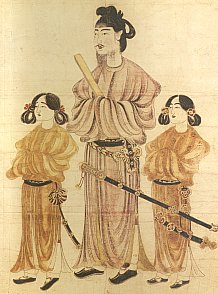
Figure 5. Court officials of the Nara period. This classical painting illustrates the formal dress and organized bureaucracy that defined the Imperial Court under the ritsuryō system (Tokyo National Museum, n.d.)
This leads into the Nara Period (710 AD – 784 AD). The Nara region became the first permanent capital of Japan and was shaped after the T’ang Dynasty in China (Britannica Editors, 2026). Japans civilization evolved once again with the development of the “ritsuryō system” refers to the governmental structure defined by ritsu, the criminal code, and ryō, the administrative and civil codes (Masamoto et al., 2026). This was also inspired by China’s governmental policies (Masamoto et al., 2026). Under this system the emperor was responsible for two roles. The first role being the authoritative face of government, ruler of the country. The other role he served as a traditional high priest responsible for maintaining the relationships between the land, the people and the deities through rituals (Masamoto et al., 2026). The government mirrored his lead by forming two main institutions the Council of State that managed political affairs and the Office of Deities which handled religion, rituals and worship of the deities (Masamoto et al., 2026). The connection between government and religion however entitled privileged and wealthy priests to use their power and religion as a weapon and manipulation tactic. This led to distrust and reputational ruin of the government. Under this government taxes and slavery were enforced following the structure of the Chinese government. The threat of taxes led people to want to flee and the decrease in taxpayer population forced a decrease in governmental revenue (Britannica Editors, 2026; Masamoto et al., 2026).
Heian
![[Placeholder for Heian History Image]](images/heian-calligrapher-history.jpg)
Figure 6. The Calligrapher (late 18th-century depiction of Heian style). This print shows how much the Heian nobility valued art. During this time, poetry and calligraphy was one of the main ways people showed their high social status. (Metropolitan Museum of Art, n.d.)
The last period of Ancient Japan is known as the Heian period (794 AD – 1185 AD) this period is characterized by the increase of artistic and literary expression. Growth of court aristocracy set in motion the desire for refinement, shaping the cultural identity of the period (Britannica Editors, 2024).