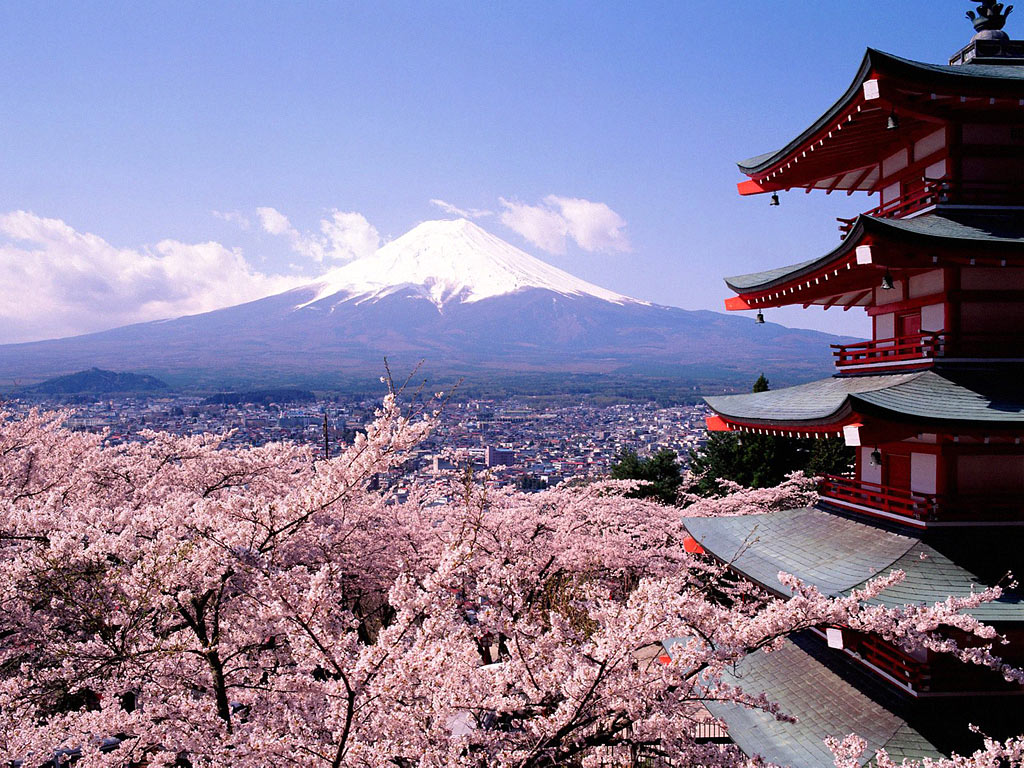
Figure 1. Iconic view of Mount Fuji and the Chureito Pagoda. Japan's mountainous landscape and distinct seasons have deeply influenced its history and cultural development. (Geography Maps Japan, n.d.)
From Clay to Court: The Evolution of Ancient Japan
The development of ancient Japanese art and culture took centuries to build. The earliest documented start of this development took place around 10,500 BCE. This is known as the start to the Jōmon period (Ulak, 2023; Britannica Editors, 2025). Ancient Japan evolved through many eras until the Heian period that ended in 1185, marking the conclusion of ancient Japan (Britannica Editors, 2024).
| Jomon | 10,500 BCE - 300 BCE |
| Yayoi | 300 BCE - 250 CE |
| Kofun | 250 CE - 552 CE |
| Asuka | 552 CE - 710 CE |
| Nara | 710 CE - 784 CE |
| Heian | 794 CE - 1185 CE |
There are several aspects that contributed to the formation of Ancient Japan’s art and culture. These factors included their environment and specific geographical structure, the influence of China and Korea’s further advanced culture, and the impact of introduced religion (Sakamoto et al., 2026; Masamoto et al., 2026).
Japan’s art and culture reflect and demonstrate the journey of Japan’s advancement and rise to civilization (Britannica Editors, 2025). Ancient Japan’s history shows how external influences from outside cultures shaped its unique identity. China, Korea and India contributed to the development of Japan’s:
- Agriculture
- Religion
- Government
- Society
- Art
- Literature
- Culture
Japan adapted these influences to create a civilization that endured the test of time. From Jōmon to Heian, a centuries-long process advanced a civilization and built a deep, meaningful heritage.