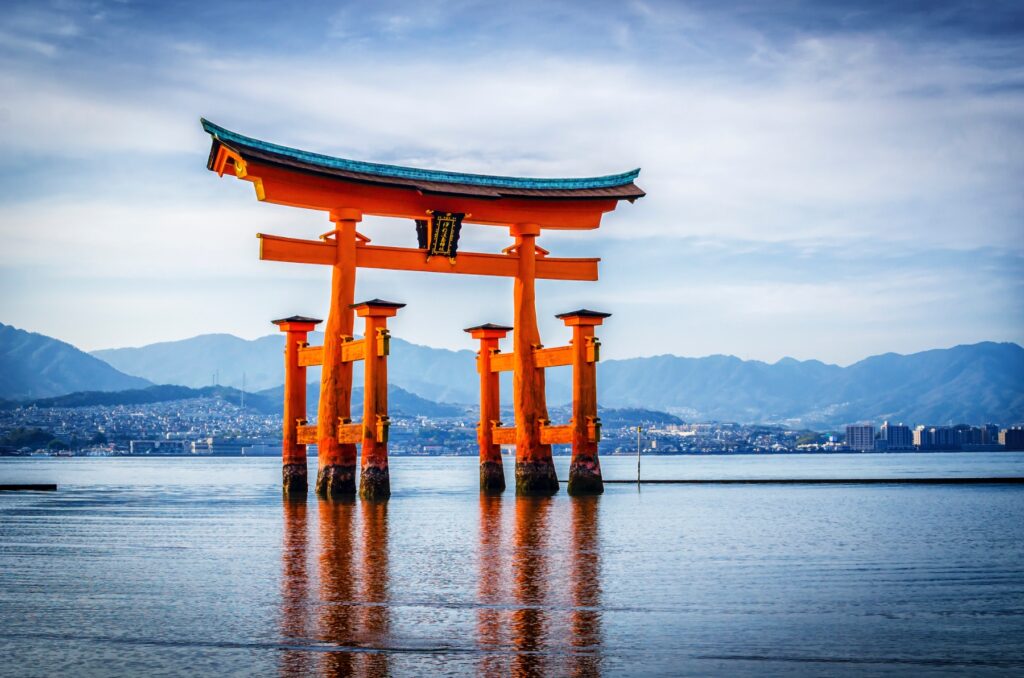
Figure 7. The Great Torii Gate of Itsukushima Shrine. This iconic Shinto gate represents the enduring spiritual traditions and natural beauty that have shaped Japanese history. (Panyasri, n.d.)
Culture
The earliest practiced religion documented in ancient Japan is called Shinto and means “the way of Kami” (Hirai, 2026). “Shrine Shinto, has been in existence from the beginning of Japanese history” (Hirai, 2026). This demonstrates that during the Jōmon period, “the way of Kami” was already established and practiced (Hirai, 2026). The way of Kami refers to the divine and sacred power of the gods and deities. Shintoism means seeing spirit within nature. Shinto cannot be traced back to any “founder” and does not have any known “official sacred scriptures”; however, the religion was passed on and is still practiced today (Hirai, 2026). When Buddhism was introduced into Japan, “the way of Kami” was given the name Shinto as a way to differentiate it from the newly budding Buddhism (Hirai, 2026). Rather than being practiced formally or philosophically, Shinto is practiced more so in behavior, thought, attitude, and action (Hirai, 2026). Even today, a valuable part of Japanese culture is practicing Shinto mentality moving through one’s daily life (Hirai, 2026).
Jōmon
The Jōmon period is known for being the “earliest major culture” of ancient Japan. The Jōmon people lived in small communities near inland rivers and the seacoast, subsisting primarily by hunting, fishing, and gathering (Britannica Editors, 2025). Excavational discoveries depict that the north and south of Japan were different from each other culturally; the northern communities followed a stricter structure and focused on ritual practices (Brandon, 2022). In the middle of the Jōmon period (2500-1500 BCE), archaeological findings suggest the formations of permanent settlements. Research suggests the possibility of early agriculture toward the end of the Jōmon (Britannica Editors, 2025). They were also thought to have traded with Korea at this time (Sakamoto et al., 2026).
Video Resource: Prehistoric Sites of Northern Japan (UNESCO) – A visual tour of Jōmon ritual sites and settlements, showing the unique cultural structure of the northern communities.
Discovery Resource: The Story of the Jōmon (Official UNESCO Site) – Provides detailed information on Jōmon forest management, early agriculture, and trade networks.
Yayoi
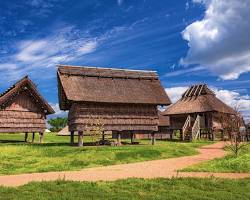
Figure 8. Reconstructed dwellings at Yoshinogari. These thatched-roof structures represent the permanent agricultural settlements of the Yayoi period. (Wikimedia Commons, 2005)
In the Yayoi period, we see a slight evolution of Shinto religious practices with the use of shamanism and agricultural rituals (Hirai, 2026). The establishment of family clans resulted in the head of the clan acting as a connector to the divine and was responsible for leading the clan’s worship of their specific guardian deity (Hirai, 2026). The people of ancient Japan prayed to their deities, hoping for a bountiful harvest in the spring and expressed their gratitude with an autumn harvest ceremony (Hirai, 2026). Eventually, these two events became major festivals to honor their deities' generosity (Hirai, 2026). In order to further show their devotion to their gods, the clans built personal shrines to worship at, hence the term Shrine Shinto (Hirai, 2026). Other rituals included divination, water purification, and lustration (ceremonial purification) (Hirai, 2026). According to Britannica Editors (2018), “Yayoi people wove hemp and lived in village communities of thatched-roofed, raised-floor houses.”
Kofun
During the Kofun period, the values of Confucianism were introduced under Chinese influence and built into Shinto teachings (Britannica Editors, 2024).
To learn about Confucianism in Ancient Japan: Japanese Confucian Philosophy (Stanford Encyclopedia) – A deep dive into how Confucian values were integrated into Japanese society during the Kofun era.
Asuka
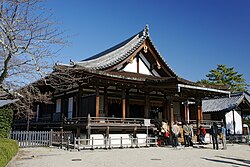
Figure 9. The Shoryoin (Sacred Spirit Hall) at Horyu-ji. Built during the Asuka period, this temple honors Prince Shotoku and remains one of the world's most significant sites for early Japanese Buddhism. (Wikimedia Commons, 2010)
The start of the Asuka period signified the official introduction of Buddhism, although it was practiced long before (Hirai, 2026). Buddhism and Shinto were taught hand-in-hand, reliant and in harmony with one another (Hirai, 2026). The Yamato kings of Japan were seen as religious symbols. Their responsibility primarily was of a worship nature; however, because of their status, they had control over agriculture and manpower, thus separating hierarchy even further (Masamoto et al., 2026). Clans based on agricultural communities were assigned. These communities followed the “belief that harvests would be bountiful if proper respect was paid to the group’s ancestral deity” (Masamoto et al., 2026). These communities had a leader that would act as a priest for their deity. Eventually, some of these groups joined together. The leaders of these larger communities built relationships with the rulers based on religion, military, economic, or familial connections (Masamoto et al., 2026). Clans were given hierarchical titles to establish status (Masamoto et al., 2026). After the decline of their power, the royal family persevered for the revival of the Yamato court using the unity of Buddhism as their foundation (Masamoto et al., 2026). By the end of the Asuka period, Daoism and the concept of yin-yang beliefs were also implemented. These two teachings forever shaped the values and morals of Shintoism (Hirai, 2026).
Heian
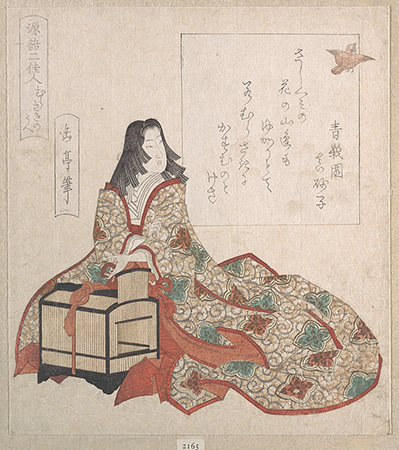
Figure 10. Depiction of Murasaki Shikibu from the Tale of Genji. This illustration represents the highly refined aesthetic and the development of unique Japanese literature and fashion during the Heian period. (Study.com, n.d.)
Within the Heian period, written language progresses to include modified versions of Chinese characters, which were employed to represent Japanese phonetic sounds (Britannica Editors, 2024). At this time, Shinto and Buddhist traditions became increasingly intertwined, shaping court ceremonies and everyday spiritual practices of nobility (Britannica Editors, 2024). After language advanced, the phonetic system further formed the early stages of hiragana and katakana writing. Chinese characters known as Kanji as well as Hiragana were popularly used as the main written communication (Britannica Editors, 2024). By blending Buddhist and Shinto ideas, Heian period literature and visual art depicted religious messages, more so when commissioned by the court. This contributed to the roles, etiquette, and relationships that shaped social hierarchy (Britannica Editors, 2024; Brandon, 2022).