Agricultural Benefits of GMOs
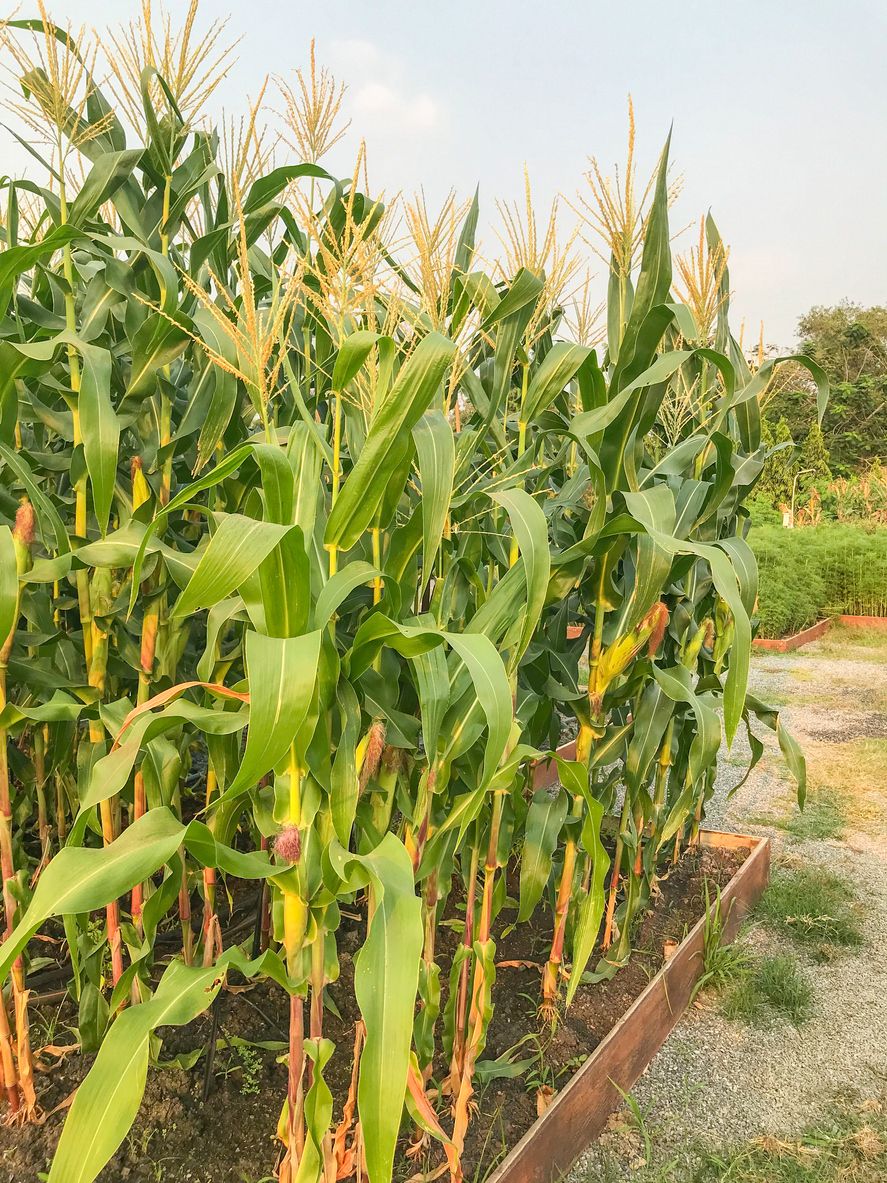
The introduction of GMOs in agriculture is very common due to its ability to enable farmers to deal with key issues like insect attacks, weeds as well as unsustainable growing environments. Numerous genetically modified crops are pest and herb resistant crops, as well as more productive.
Insect-resistant crops will minimize the amount of pesticides that a farmer will use, but herbicide-resistant crops will enable farmers to combat weeds more readily. Such benefits can enhance productivity and minimize losses in the production process.
Economic Effects
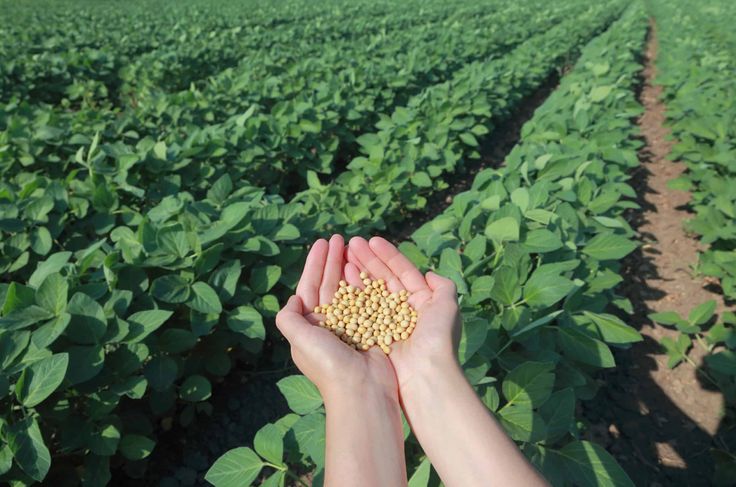
GMOs can also increase the revenues of the farmers through increased production and reduced production costs. The farmers will be saving on the cost of pest control, and possibilities of crop failures. However, GMO seeds are patented, are more expensive and most of the time they need to be purchased every season with the advent of new ones.
Much has been said about whether GM crops are good to all farmers or to the big companies that produce GM crops. The price of money that farmers can get these crops depends on the location, and the type of crops produced and market forces.
Main Advantages in Farming
- Greater crop yield in most instances
- Reduced crop losses by weeds and insects
- Greater food production in agriculture
- Helping large scale food production
- Possible reduction of some chemical usage
Comparison Table
| Area | Potential Advantage |
|---|---|
| Pest Management | Pests may become resistant |
| Crop Treatment | Pests can be treated with more advanced technology |
| Seed Cost | Higher cost and patents restrictions |
Jump to Agricultural Benefits.