Food Safety and Scientific Testing

The safety of GMFs to human consumption is one of the most widespread safety issues raised regarding GMOs. The concern of many consumers is whether it will be allergic, toxic or have long-term health effects.
GM foods must undergo a rigorous screening process by specialists and government bodies before being permitted to be in the market. These scientists closely examine the nutritional content of the food, examine whether this food contains any possible allergens, test whether the food is toxic, and ensure that the new trait is stable. As soon as they are approved, the genetically modified foods are normally assumed to be equally safe as normal foods.
Public Health Concerns
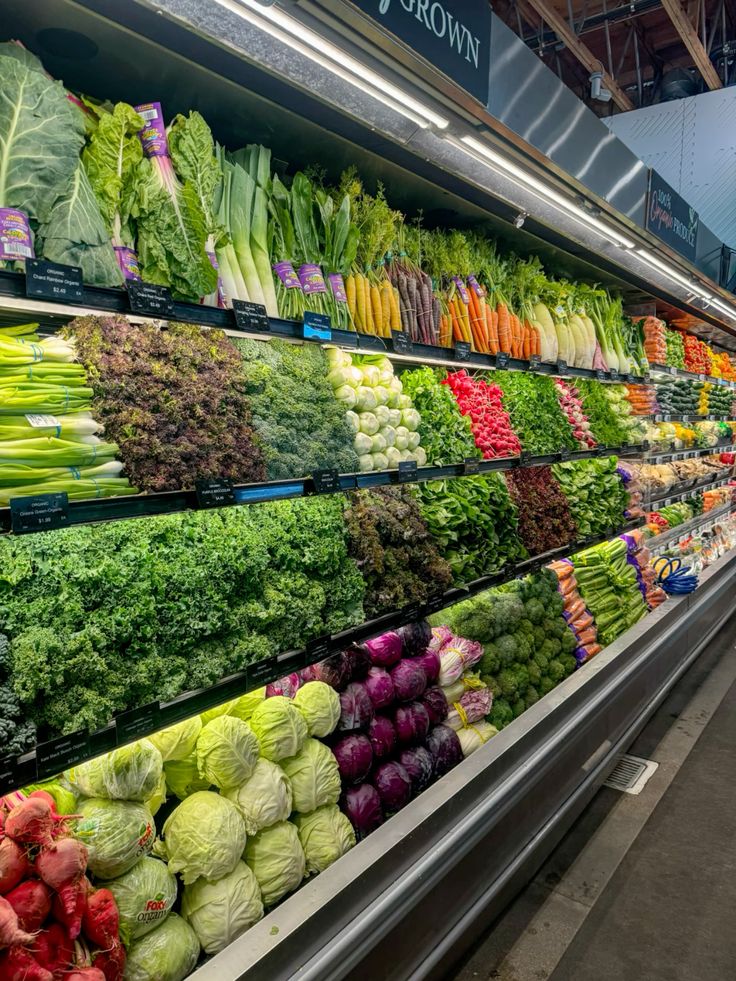
Some of the questions that people tend to ask concerning GMOs are whether GMOs have potential allergic reactions, whether there are long-term effects that are not known, and whether consumers should be told whether the food is genetically modified all the time.
Other individuals who believe in GMOs believe that by modifying some crops they can make them healthier by incorporating more vitamins or nutrients. This may imply that GMOs are capable of assisting individuals to obtain nutrients they require, and also ensure that there is sufficient food to all.
Health-Related Points
- Food safety testing is done before approval
- Potential allergens and toxins are tested
- Consumers would like to know about clear labeling
- Some GMO foods can be beneficial to nutrition
Summary
People are also concerned about the health impacts of genetically modified foods, although those permitted in the market have been well tested. It is not only a scientific issue, but a social one as well, as people desire to feel secure, get clear information, and understand what they take. They must have faith in the companies that prepare these foods and have the capability of making informed decisions.