Environmental Concerns
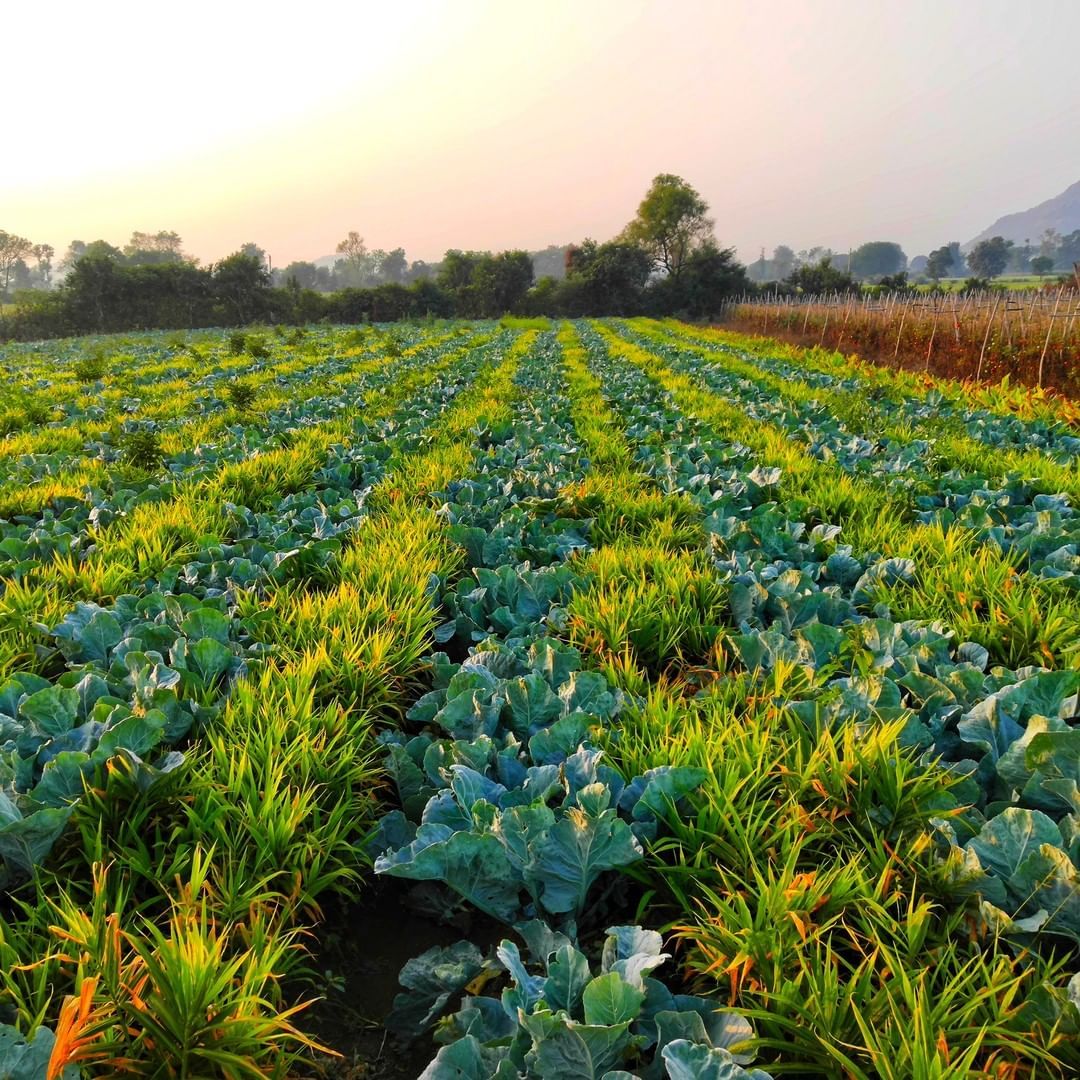
The GMO debate is largely environmental issues. They have been criticized as resulting in lower biodiversity, gene transfer to other plants and the fact that the weeds or insects might develop resistance in the long run.
Natural resistance may develop in case genetic characteristics or control methods are applied repeatedly. This can complicate the control of pests and weeds in future.
Possible Environmental Benefits

Advocates posit that GMOs could help decrease the utilization of certain chemical insecticides and help establish more efficient agricultural practices. Some instances also show that GMO crops can also be used to reduce soil erosion when used together with conservation tilling.
This implies that the effects of GMOs on the environment are multi-faceted. The outcome of the technology is based on the methods of usage, monitoring, and regulation.
Ethical and Social Problems
- Corporate control over patented seeds
- Farmer reliance on biotechnology companies
- Consumer choice and food labeling
- Questions on changing natural organisms
Environmental and Ethical Overview
| Issue | Concern | Possible Advantage |
|---|---|---|
| Biodiversity | Less crop diversity in certain systems | Better crop performance in certain systems |
| Pesticides | Resistance can develop over time | Reduced use of certain insecticides |
| Seed Ownership | Corporate control and patents | Investment in crop research |